MEGAN FAIRCLOTH’S STORY: FROM HOMELESSNESS TO STANFORD UNIVERSITY

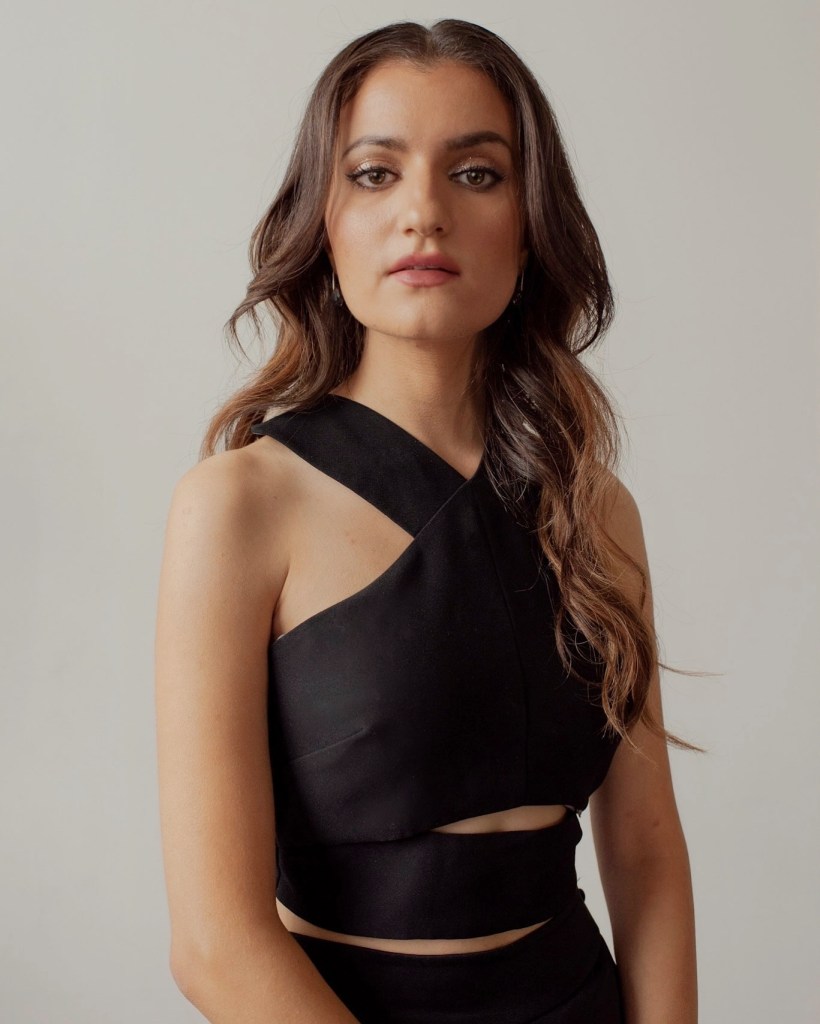
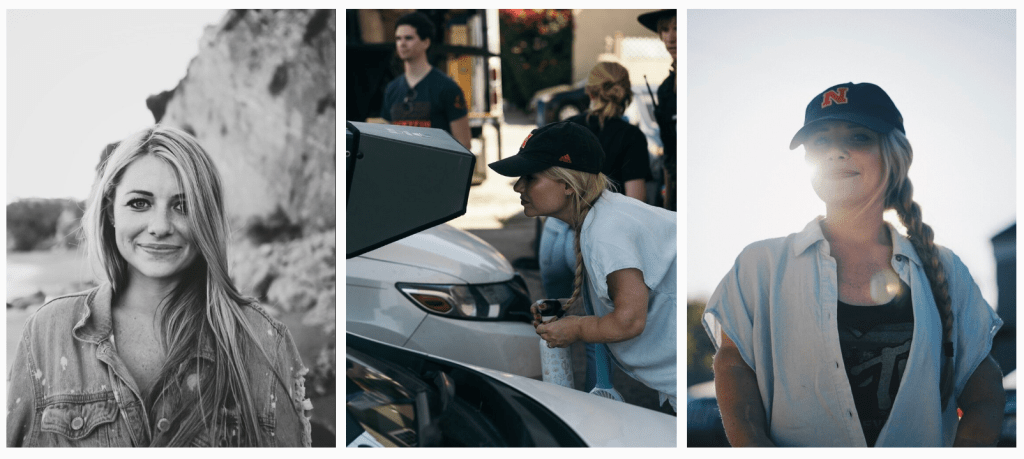
© Megan Faircloth / Facebook

I first came across Megan Faircloth’s story around 2017 when I watched a TV show. I immediately knew that I wanted to share her story on my blog. Since our interview, I am grateful to call Megan my “friend from afar“. Even though we have never met in person, we have stayed in touch ever since. Please read this incredible story and share it as much as you can.


GROWING UP IN POVERTY: WHEN HOME WAS NEVER SECURE

@abylovesblogging: Please, tell us about what you and your family had been through because of your homelessness….

Megan: My family began to have financial struggles during my middle school years. We were evicted from several homes and I moved schools a lot. Finally, in my eighth grade year, we were evicted from another house and we had nowhere else to go, so we moved into an abandoned house in Wendell, North Carolina. My father knew the owner of the house and the owner of the house owed him money, so the owner allowed us to stay there, though the house was pretty uninhabitable. There was a hole in the roof of the kitchen where water leaked in every time it rained. There was also a hole in the floor in the room where me and my sisters slept. There was no heat or air conditioning in the house. And even though my parents did not have to pay rent, we continued to struggle financially. We could not afford the water bill, so the house did not have running water most of the time, and we often went without electricity. […] Then tragedy struck. The owner of the home died, and his wife did not want us living in the abandoned house anymore, so we were evicted. We were only given 24 hours notice before we had to leave the property, as the owner’s wife lied to the police about how long we had been living in the house (In America, the longer you are living in the house, the longer you are given to collect your stuff and leave. Legally, we should have been given a month to pack and leave, but the owner’s wife told the authorities that we had only been living there a week so that she could evict us quickly). As a result, we lost most of our belongings. I made off with my bookbag and my textbooks, a bag of my clothes, and a box of my journals- which to this day are my most prized possession. […] I was taking 4 college courses when most students at my school only took one or two because the classes were so difficult.The counselor at my school had warned me at the beginning of the school year that my course load would be too difficult, but I told her I wanted to do it no matter how hard it was. Even before becoming homeless, I was determined to get out of poverty through my education.
The same week of the eviction, my mother was admitted to the hospital and diagnosed with an ovarian tumor. We did not find out until two months later that it was not cancer, and so for a long time me and my sisters were very worried. The same week of the eviction and my mother’s diagnosis, my father abandoned us. He was tired of having to be a father and having a family and thought he would have an easier time finding a place to live if he were on his own.
[…] At one point, I was so exhausted, and I was getting sick often and missing a lot of days at school, so my grades became very bad. I was failing my college biology course, I had a D in PreCalculus, and I had a C in my college statistics class. At this point, I honestly thought it was over. With grades like this, I was not going to get into college. I was ready to give up and quit school. Homelessness had taken away my home and my belongings and now I thought it was going to take away my future.

“I WILL SURVIVE“: FINDING STRENGTH TROUGH MUSIC AND WORDS


[…] But then I decided that I was not going to give up. My education meant too much to me, and I was determined that no person or circumstance was going to take it away. I became obsessed with inspirational quotes and song lyrics, including Gloria Gaynor’s “I Will Survive” and quotes from the novel “Unbroken” by Laura Hillenbrand. I wrote all of them on my bookbag to remind me constantly to not give up. I managed to pull my grades up until I had all A’s. While my family was staying in a homeless shelter, I learned that I was the valedictorian of my school. As a result, school became an even greater source of relief for me, an even greater anchor of sanity, binding me with hope and promise to the future I had invented for myself in my mind. A future where food insecurity, motels, and abandonment ceased to exist.

School was a place of opportunity and hope

Megan Faircloth

@abylovesblogging:  How long have you been homeless and how tough was it to have a “normal life”?

Megan:  I was homeless from November 2015 to October 2016. My family and I now live with other relatives, and my mom is trying to find a job so we can get our own home.
I was always an outcast at school because I was shy and I was made fun of for being poor even before becoming homeless, so I do not think I ever had a normal life. But while I was homeless I did try to make it seem like I was okay in front of my classmates and teachers. I would try to put on a smile in front of them. However, to some degree I was genuinely happy at school. I tried to look on the bright side. School was a place of opportunity and hope.
It was not always easy though. One time I could not hide how I was feeling and I broke down and started crying during class. No one really noticed and I kept taking notes.

@abylovesblogging: When and where did you realize that if you want a change, you got to do something? What exactly did you do?

Megan: The education system in America is not kind to low-income students. Schools in low income areas are underfunded and low income students often struggle with emotional troubles that are ignored by teachers. Sometimes there are things you need for class, like expensive calculators or internet or textbooks or technology, that low income students can not afford and that schools can not provide. Overall, the teachers and administration do not seem to really understand the struggles that low income students go through and they can not help them, and as a result low income students do not perform well in school or they stop going to school altogether. Because of this, low income students are likely to be poor for all of their lives and the cycle of poverty is reinforced.
For years, I saw some of my friends and peers who are low-income fail in school for issues beyond their control. They came from families like my own. This scared me. I knew if I wanted to succeed that I would have to fight back against the unfair education system. I would have try really, really hard, even when I was hungry or exhausted and even when I did not have what I needed to succeed in school. I also knew that during the college admissions process, I would be competing against students who had way more resources than me, and I would have to also try extra hard to be as successful as them even when they had more.
I think I made the decision that I was going to do well in school before I began my ninth grade year. In middle school, I had heard from somewhere that if you did well in school, colleges would pay your tuition for you. This idea enraptured me. At the time a school like Stanford did not really seem possible to me, but I was going to try my best regardless.
I knew there were going to be a lot of things that were going to happen that would try to deter me, to slow me down, to break me, and I knew that if I let them that I would never get out of poverty. I decided to fight back with all of my might to prove myself and to survive.

FIGHTING AN UNFAIR EDUCATION SYSTEM

@abylovesblogging: How did this part of your life has changed the person you used to be?

Megan: Now I can sleep almost anywhere. I do not complain much anymore. Belongings and material objects are pretty much worthless to me now because I know very well that I can live without them. I am a person who just wants the bare necessities and instead I find happiness in the little things in life that are free- sunshine, family, music. My emotional recovery after being homeless has also had its low points, but therapy has helped.
Being homeless made me grow up a lot and see things in a more holistic way. Worrying about things like, for example, what other people think about me, seems so trivial in comparison to worrying about where you are going to sleep. It has also made me want to be an advocate for other low income students, because the issues that they face are something that is very close to me and very personal, and now I am in a position where I can help others.

@abylovesblogging: Gloria Gaynor’s song “I Will Survive” was the song which gave you hope – how exactly did you feel while hearing the song?

Megan:  I heard “I Will Survive” playing on the radio as my mom was driving us to a homeless shelter for the first time. I was feeling very anxious about going to the homeless shelter, but the lyrics, particularly the lines, “Did you think I’d crumble?/Did you think I’d lay down and die?/ Oh no, not I. I will survive!” made me feel strong. It felt like a message to all of the things that I felt were trying to tear me down. I decided to write the lyrics on my bookbag with a sharpie and add them to my collection of inspirational quotes. The quotes gave me courage when I was feeling weak. I felt like I was borrowing courage from other people. I was Gloria Gaynor, I was Louie Zamperini- I could be strong like them.

FROM HOMELESS SHELTER TO VALEDICTORIAN

@abylovesblogging: Your last way out of homelessness was education. You studied many hours in libraries and even outdoors next to your car where your family lived. You finally graduated as valedictorian, which is awesome. Had this been your goal or did your only wanted to get education to change your future?

Megan: I felt like the ultimate underdog in school. I was shy and I was bullied a lot, and I felt like no one in the outside world respected me because I came from a lower class family. The upper-class people we had met before and the rich landlords who had evicted us from their properties had always gone out of their way to make my family feel like trash. But my teachers respected me at school because I worked hard. That was new to me- I always felt like my socioeconomic status was burned into my skin. But my teachers did not care who my parents were or if my family had money. They did not care where I lived or if my clothes were worn out. If I worked hard and was a good student, that was enough for them. I think school was the only place where I had any sense of self worth.
So, my freshman year of high school, I set my sights on becoming my school’s valedictorian because I wanted to prove myself to all of the people who made fun of me and to all of the people who had tried to make me and my family feel like trash. At my school, the valedictorian was a highly competitive and respected position. People who became valedictorians at my school were usually popular and came from wealthier families. It became my dream to surprise everyone by taking the spot. Of course, my education and college admissions chances were much more important to me that the title of valedictorian, but I also wanted to graduate as valedictorian to upset the other wealthier people who wanted to the spot. I wanted people to finally have to respect me.

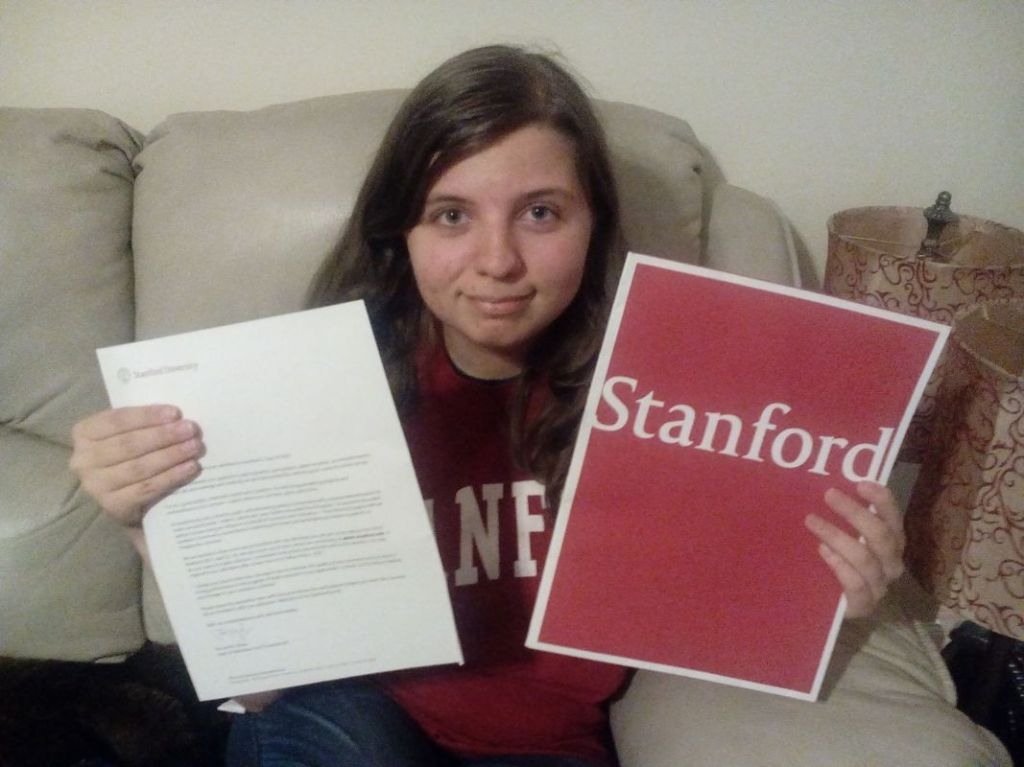
@abylovesblogging: One of the best elite university, Stanford university has accepted you. How do you feel about that?

Megan: It is amazing! Every day that I am on campus I am in awe. I think about how much it took to get here and I think about how hard things used to be and I am still in disbelief that this is my reality now. I am a Stanford student. Sometimes when I am walking around campus, I feel compelled to touch the buildings and the flowers and the palm trees just so I can confirm that this is real and not a picture, otherwise Stanford still feels too much like a dream.

@abylovesblogging: Where do you see yourself after your studies? What else do you want to achieve?

Megan:  I do not know exactly what I want to do. Art and music and books played a big part in my success, as did education, so I know I want to work in one of those fields. Whatever I choose though, I know that I will continue to be an advocate for low income students and for education reform. I want to use my privilege of being at Stanford to be a voice for my community and for other low income students that are otherwise underrepresented. I also want to tell my story more, and I want others to learn whatever they can from it, because I know that inspirational stories were such a big part of me having the hope to continue despite all of the trouble that was going on in my life.

LESSONS FOR LIFE: RESILIENCE, HOPE AND NEVER GIVING UP

@abylovesblogging: Do you believe that, although your homelessness was a hard time, that you have learnt something important for your future life?

Megan: Absolutely. If I had the choice to go back in time and change my circumstances, I woul not change anything. Being homeless expanded my perception of happiness. Being homeless acquainted me with the secret reserve of strength in my heart that I had never accessed before, but was there when I needed it. That second wind of resilience, that I think all humans have- that piece inside of us all that is determined to continue no matter what.

@abylovesblogging: Which advice would you give people at your age who want to achieve their dreams?

Megan: It may sound cheesy, but nothing is impossible. You can do anything you set your mind to. The biggest impediments to our dreams are not our resources or talents, but our own perceptions of our limits. If you doubt yourself, you are holding yourself back. So never give up, and never stop fighting.

@abylovesblogging:  If you had 3 wishes free, what would you wish?

Megan: I would wish for poverty to end. I would wish for everyone to have two loving parents. And lastly I would ask for my family to have a house of our own.


Since this interview, some time has passed — but Megan has stayed. Even though we have never met in person, something meaningful grew out of this conversation: a genuine connection. I am grateful to be able to call Megan my “friend from afar.”

Her story continues to remind me how much strength, courage, and hope can live within a person — even when circumstances seem to work against them. Megan inspires me not only through what she has achieved, but through the way she moves through life: reflective, compassionate, and deeply hopeful for others.

Her journey is proof that where you come from does not define where you are going — and that even from the darkest chapters, something truly beautiful can grow. I hope Megan’s story touches you as deeply as it has touched me and gives you a piece of the courage she continues to give me to this day.

Schmetterlingclara – “Life has so much to offer if you let yourself get involved”

© Instagram: @schmetterlingclara
  1. You are very active on Instagram and take your followers into your everyday life, how did you come to this?
    • Clara: As a teenager, I actually only consumed Instagram myself and I came across a few accounts where people affected by the disease talked about their illnesses. So I thought I could do the same and founded my account @schmetterlingclara in 2018. At first, I did not dare to speak directly to the camera or really say anything private about myself. It was not until spring 2021 that I jumped over my own shadow and posted a personal story. And then the whole thing started rolling. I was allowed to introduce myself and my story on various other Instagram accounts and as a result, more and more people became aware of me. Then one day, when I posted (in my eyes totally embarrassing) dance reel which went viral, the number of my subscribers skyrocketed. Since then, new followers have been coming in all the time. I post what I think is important so that more people learn about my condition and so that they can better understand those who are affected by my condition, but also those affected by other conditions/disabilities, and see life from a different perspective. But I also like to respond to the wishes of my followers and answer questions, because as an outsider you often do not know all things.
  2. You also do educational work on Instagram about your disease (Epidermolysis Bullosa), how important is that to you?
    • Clara: This has become very important to me. People often stare at me on the street just because I “look different”. People whisper behind my back and make wild assumptions about what I might have. Many also keep their distance and pull their children away because they think I am contagious. And still others approach me and want to sell me their “healing water” or invite me to their sect because they believe that God and/or Jesus could heal me. But I also have to explain myself and my illness to doctors and carers again and again, because even in the medical field, most people do not know much about my illness. And that is exactly what I want to change. I would like to educate people about EB (Epidermolysis Bullosa), so that we sufferers are no longer constantly stared at and we do not have to explain ourselves over and over again. But I also want to campaign for issues such as disability in general, because there is still so much need for education and action there too. Because we can only achieve something if we are loud together. And I am already very well known within our “EB community” and I am now often recognised on the street.
  3. What positive or negative experiences have you had on social media?
    • Clara: I have to say that I am very lucky in this area. I get 98% positive and kind comments and messages. But of course there are always the odd stupid comments. Partly out of ignorance, because many people come across a reel or a photo of me while browsing and have no idea what I have because they (like most people) have never heard of EB. But of course there are always stupid comments from people who do not want to or cannot accept my opinion and my point of view. It is not about “being right” or anything like that. One of the most popular topics is the word “disability”. Many other influencers and I hate it when people try to use the word “disabled” to describe us […]. I was born with this disease, I do not know any other way, but for most people it is hard to imagine. I am really grateful to have such a great community that supports me, that rejoices with me when nice things happen and also listens to me and understands when I am not feeling well. Many people are always worried when I do not post for a day. I could not have a better community because they are the ones who motivate me to keep going every day.
  4. What is your support on days when you are not feeling good?
    • Clara: My family, my friends and the prospect of upcoming wonderful events. My family and friends are always there for me and support me as much as they can. Especially with my friend, who also has EB, I can have a good moan to her at any time and about anything because she understands me, as she often goes through the same things as I do. But my “healthy” friends are also always there for me. What helps me varies and also depends on the situation. Sometimes it helps me to go out, do something and distract myself. On other days, I do not want to see or hear anyone and then I just want to be alone and have some peace and quiet time. And sometimes it also helps me to talk about it. With my parents and/or with my friends. I often visualise my thoughts and feelings about on Instagram. Just as it comes into my head and then I get a lot of love messages that build me up again.
  5. How would you like society to treat people with your or similar illnesses?
    • Clara: Firstly, I would like people to approach me with genuine interest and ask me directly if they have any questions. […] I wish to be treated as a fully-fledged person, because unfortunately many people still believe that you are also mentally limited if you are in a wheelchair and travelling with a companion. Of course, there are situations in which you have to be considerate of people with disabilities and/or chronic illnesses, but otherwise we want to be treated as normal as everyone else […].
  6. How do you (always) manage to deal positively with your to deal with your illness in a positive way and draw strength from it?
    • Clara: Even though it may seem like it, but I am not always positive. There are a lot of days when I just think everything is rubbish. But it is true that I have a positive attitude to life from the ground up because I simply love life. I have lovely people around me who give me strength and I always try to do lots of things. So, that I always have something to look forward to. I have already achieved and experienced so much in my life, both positive and negative, and I just want to experience so much more, because life has so much to offer if you let yourself get involved.
  7. In your opinion, what are the disadvantages of social media?
    • Clara: That the inhibition threshold is so low. You can simply create a profile with a false name and no picture and then post lots of nasty comments. Or that many people do not really think about how their message might be received by the other person, but simply type away quickly. Most of such people would not dare to say such mean things in person. I think, at least they would probably more carefully before saying or writing something.
  8. On Instagram you do every now and then Q&A sessions. What is the strangest question you have been asked?
  9. Clara: To be honest, I do not even know anymore, but many people always ask whether it is even possible for me to go to the toilet normally or whether I can have a relationship with my illness. These questions somehow seem to have a magical attraction. But I now simply ignore these and other private questions.
  10. What advice would you give to people who suffer from this or similar illness? How do you manage stay positive and notb to desperate?
    • Clara: I know it is hard, but you have to learn to accept it, live with it and accept yourself as ‘you are’. Because you cannot change it. You should just try to make the best of it. Make the most of every good day and do as much as you can, have fun but also just do everyday things like any other “normal” person. School, work, studies, household chores etc. give you a regular, relatively normal daily routine. Because this also gives you a meaningful task. Otherwise, just LIVE life and enjoy it.
  11. Unfortunately, there is still no cure for EB. Do you (still) hope that this will change at some point? And how frustrating is it to live with this fact?
    • Clara: I do not know any different. I have had the disease since my birth and I have accepted that there will be no cure, at least for me. I do believe that there will be cure at some point, but I think for newborns where the disease is not yet so advanced. However, research is still progressing and there are more and more ways to alleviate the symptoms and comorbidity such as skin cancer. As a result, life expectancy continues to increase and that is something that gives me hope.
  12. You are not just a blogger on social media, you are also creative. How did you start painting or drawing?
  13. Clara: I used to love drawing as a child, but then I did not really get round to it when I was a teenager due to stress at school and other hobbies. During the first lockdown I started drawing again and somehow it became more and more and some of my followers said that I could also sell my stuff. Somehow it turned out that today I mainly create handmade and digitally designed cards for every occasion (Christmas, birthday, Easter etc.) and sometimes sell them too.
  14. What is your personal and most fervent wish?
  15. Clara: I wish to get an assistance dog. Unfortunately, that is not possible at the moment for a number of (private) reasons.
  16. If you had 3 wishes, what would you wish for?
    • Clara: 1. Healing, of course 2. An assistance dog and the opportunity to travel more easily and frequently.

Dear Clara,

Thank you so much for being so honest and open in our interview. It was a pleasure to get to know you and to speak with you about a very important topic. I hope you enjoyed the interview as much as I did. Thank you for your time and your awareness work on social media. Personally, I wish you all the best and that you stay as positive as you are! Best, Aby

@For all visitors of my blog, you can find Clara on Instagram by clicking the link below!

https://www.instagram.com/schmetterlingclara/

Präsentiert von WordPress

PORTRAIT: HOLGER BIRNBRÄUER

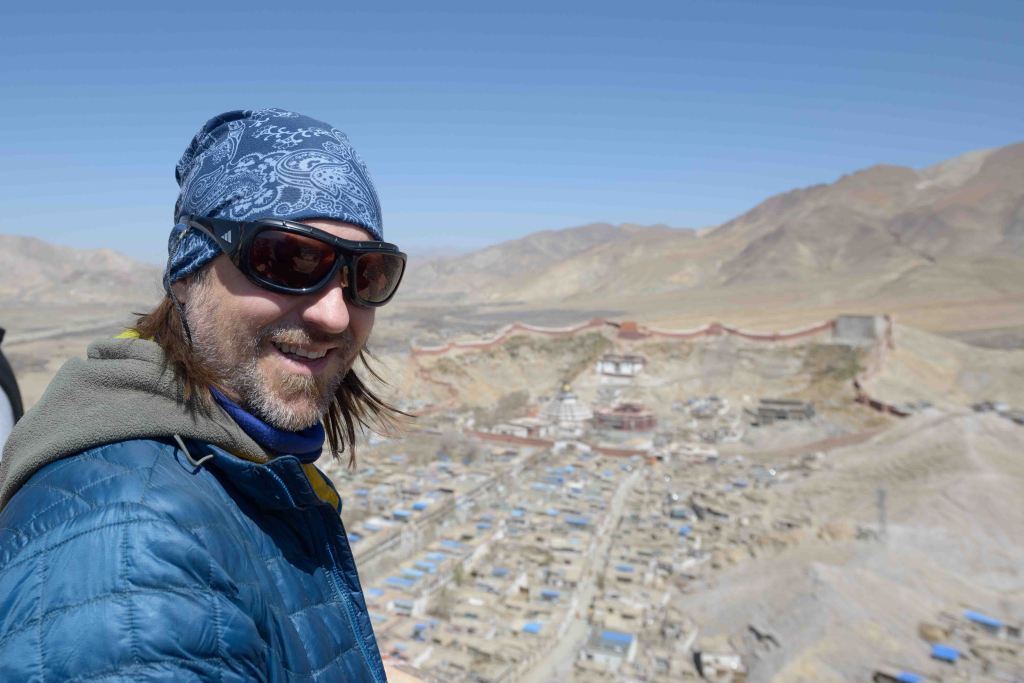
© Holger Birnbräuer / www.http://holgerbirnbraeuer.de/

**Key data: Holger Birnbräuer is 48 years old and a former teacher. Today, he is Director of the Seminar for Teacher Training and Continuing Education in Freudenstadt (Germany).


I meet my former math teacher Holger Birnbräuer at the main station in Freudenstadt at 1:45pm sharp. After getting off the train, I walked directly to the agreed meeting point – and there he stood, the man with whom I unfortunately wrote so many bad grades in those math-clasess- and as an information, he was a good math teacher, the blame was on me, because numbers were just not my thing. A reason why I also chose a course of study that has nothing to do with numbers – namely Social and Cultural Anthropology (Master Student at the University of Tuebingen in southern Germany). 

He was kind enough to pick me up at the main train station and drive me to his office. On the way there we had a little small talk. I think it has been more than 10 years since the last time we saw each other. Arriving at his office, he asked me something to drink and Oreos to eat – of course I appreciated his hospitality and agreed. And after I explained to him how the interview would go, it started. < I finally I want to share this interview with you, and I hope you like it. I am aware that I promised my followers on Instagram that this Interview would be released in December 2021, but unfortunately, I did not make it. I am sorry for that, even though I hope that you still enjoy it.


Q: Tell me how you got into climbing/ mountaineering and what exactly do you like about it?

*You can literally feel his enthusiasm when he starts talking about his beginnings. You can tell that he loves what he does.

HB: I have been in love with the mountains since I was a child. When I was nine years old, I was in the Alps for the first time and took part in a hiking holiday camp of a church congregation in Baden-Baden. For two weeks we stayed in a beautiful house and did a lot of hiking among other things. That is how I gained my first summit experience, even if they were mostly below 3000 meters at the time. After that, the mountains have not let me go and in 2002 I started with my first 4000m mountaineering. What I like about mountaineering is that you are out of the everyday life. You must be concentrated all the time and do not have time to think about work or other things. And then when you suddenly have the time to and do not have to be 100% focused, you lift your gaze and you are in the middle of a breath-taking landscape. Mountaineering is also a wonderful community experience: being together in a mountain hut the night before a difficult tour or in a tent during an expedition is something special. Furthermore, there is the added joy of successfully completing a tour or an expedition: The thought of ”I have set myself a challenging goal and achieved it.” When you realize during a difficult tour that you are up to the high difficulties, then you almost burst with happiness, and you are really in the flow. Accordingly, you just go home happy and, despite the exhaustion, have recharged your batteries for everyday life and the family.

Q: You have been to several countries – What have you learned (as a person) during your travels?

HB: Above all, I have experienced what unites people during my mountain journeys on five of the seven continents. Many of the wishes and desires are the same, despite the most diverse living conditions. That is what I always try to do: I try to find out something about the living conditions of the people in conversations and a part of my travel preparation is always to learn at least a few words of the language spoken there. Especially for my trips to the Himalayas I took a lot of time for this, and my Nepalese was not that bad. Now, unfortunately, most of it has already been forgotten. But one of the great needs is certainly to be treated respectfully.

Q: Besides mountaineering, what are your other hobbies?

HB: I still like to make music, even if the time to play the guitar is hardly there due to family obligations. I also like to pass the time with a good book or a good computer game from time to time.

Q: What does mountaineering give you that, for example, jogging would not?

HB: Well, jogging is preparation for mountain climbing. It is a bit like making music: The session with the band in the rehearsal room is not as much fun as a performance in front of an audience. Jogging is the work, and the mountaineering becomes more of a pleasure the better you are physically and mentally prepared.

Q: During your travels, you have also faced setbacks – What were such setbacks? What did you learn from them?

HB: The biggest setback was certainly the abandonment of the expedition on Mount Everest after the earthquake in 2015. Above all, however, I learned from my expedition to Aconcagua in 2010: the highest mountain in South America, there, at an altitude of 4400 m, I got altitude sick at base camp and began to develop high-altitude pulmonary edema. So, my lungs started slowly to fill with water. That means the expedition ended with a helicopter ride down to the valley. This was the first setback I experienced, and it mainly led me to approach my goals with even more respect and to professionalize my training significantly. After a period in which you are naturally depressed, you must see what you can do better next time. Excitingly, this is a process from which I always draw a lot of motivation.

Q: How do you prepare for an expedition?

HB: My preparation for an expedition has many levels, and I resolve to get one step closer to my goal every day on at least two of the levels. In everyday life, I can sometimes get a little stingy, because going without a chocolate bar at the gas station brings you one euro closer to your goal. The second level is the physical level: I always try to be at a good level of fitness by jogging and cycling. It is not so much the speed that matters to me, but the duration of the training.  Thus, I create a very good basic endurance for myself. The closer the expedition gets, the more I increase the duration and number of my training sessions.  A never-ending jogging round then helps the mind to be able to climb a never-ending steep snow slope on the mountain. I put a lot of thought into the key difficulties of a mountain and think of strategies to master them. If I do not find any solutions here, I would rather leave a tour alone. Intuition also plays a big role: sometimes you just feel that it is not yet the right time for a particular mountain. And finally, this level also includes dealing with the country where the mountain is located and its culture and language.

Q: In 2015, you had your first attempt to climb Mount Everest – unfortunately, that did not work out due to the earthquake. How disappointed were you? Was it clear to you that you would try again?

HB: The disappointment was huge.  If you then realize that many people lost much more, even their lives, because of the earthquake, there is also a guilty conscience that you are now whining because you could not climb Everest. I had to wait several days in Tibet until I could get a flight home. Suddenly there was also a lot of homesickness that I do not really have on a normal expedition. That I would get a second chance to climb Mount Everest was also not foreseeable at that time: In addition to the financing, there was a big question mark behind the question of whether I would be able to take so much time off from work again. But my wife was the first to say: ’You have to try this again, otherwise something is missing in your life’. Fortunately, the opportunity to fly to Everest arose again in 2017.

Q: Your highlight was certainly climbing Mount Everest – try to describe the feeling you had when you stood on the highest point of the earth…

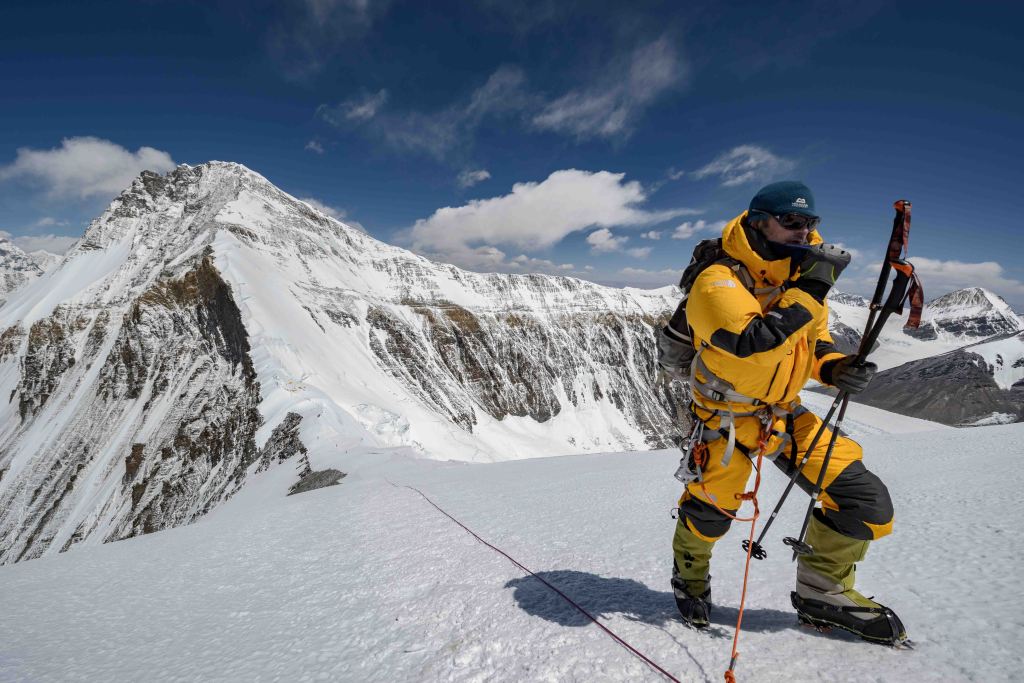
HB: First of all: Mount Everest was not the highlight of my mountaineering career. But of course, I also expected that climbing the highest mountain on earth would be the greatest thing. When I finally realized that this was not the case, it was first difficult to classify: Why was not I as happy as on other summits? I had to admit to myself that, looking back, the highlights were actually during the tours and expeditions I did to prepare for Everest. For example, climbing Denali in Alaska (the highest mountain in North America) or climbing Cho Oyu (8201 m). Two of the many reasons are certainly the extensive support I had on Everest from the Sherpa team accompanying us and the use of bottled oxygen on the way to the summit. On Cho Oyu and Denali, my mountaineering performance was much higher: On Denali, I carried up to 43 kg of equipment myself in a backpack and on a sled. On Cho Oyu, I reached the summit without artificial oxygen and really had to fight for every little step at the end.   The Everest was much easier to climb and therefore it is not on one of the first places in my mountain experience charts. But I have no regrets and I am proud and happy to have stood at the highest point on earth. I was there for about 15 minutes. It was very cloudy and snowing lightly. You could not see 30 meters away and the hoped-for moment when the world is literally at your feet, and you can look into the distance did not exist. Also, you know that the difficult and far more dangerous descent still lies ahead. That fact reduces the summit joy already a little. I felt the greatest summit happiness on Everest about 20 meters below the summit: Here it was clear to me that I will actually reach this all but self-evident goal and that no one will take it away from me. Then I took a few photos and a short video, before I went again extremely concentrated on the descent.

Q: What event would you equate climbing Mount Everest with if you could…?

HB: To be honest, nothing comes to mind at this very moment, but I can say that the experience of Everest, for example, was clearly surpassed by the experience of the birth of my three children.

*His facial expression tells you that most of all things he has achieved – he is happy to be a proud father.

Q: Mount Everest was a long-awaited dream of yours – What are some other mountaineering dreams of yours?

HB: My two big goals are to climb all 82 (4000m) peaks in the Alps and to climb the “Seven Summits”, i.e., the highest mountain on each of the seven continents. Both goals are realistic, because five of the Seven Summits – Everest (Asia), Denali (North America), Aconcagua (South America), Kilimanjaro (Africa) and Elbrus (Europe) – are already completed, and especially the most difficult ones. The expeditions to the two remaining mountains, the Carstensz Pyramid (Australia/Oceania) and Mount Vinson (Antarctica) are therefore two of my big mountain dreams.  Out of the 82 (4000m) peaks in the Alps, I am still missing 26, which I hope to be able to climb gradually over the next few years. And then there is the big dream to climb one more of the 14 eight-thousanders of our earth without artificial oxygen: The Gasherbrum II in Pakistan.

Q: How do you deal with critics who classify mountaineering as a kind of pollution (in terms of flight)? Can you understand such people? If so, to what degree? Do you deal with yourself critically in this respect?

* serious look*

HB: Yes, I am very concerned about the environmental impact of flying. My way of dealing with it, is O2 offsets. I also try to behave more sustainably in other areas of everyday life: My electric car and soon our own photovoltaic system will hopefully contribute to this. In addition, I take responsibility for my actions on site at the mountains and make sure that I leave as few traces as possible.  For example, on the way back from the advanced base camp to the base camp of Mount Everest, I collected 200 empty beverage cans that were lying around. 

Q: After all, mountaineering involves certain risks – how does your family deal with them?

HB: I am actually amazed at how surprisingly relaxed everyone is about it. I do not know how I would feel about it myself if my children were to be on this level later on.   But I think everyone knows that I assess risks and dangers correctly and that, if the worst comes to the worst, I can do without a summit and prefer to turn around if things get too dangerous. But my family also puts up with a lot simply because they know how important the mountains are to me and what strength they give me for everyday life and thus also for family life.  

Q: What do you enjoy more – your work as a teacher/director of education or mountaineering? And why?

HB: I enjoy both enormously. Family, work and hobby form a triangle that is and must be in a good balance. One gives me strength for the other and so it is actually not true when I sometimes say in jest that it would be nice if I did not have to work anymore and could always go mountain climbing.  

Q: Which trip have you enjoyed the most so far and why (Mount Everest excluded)?

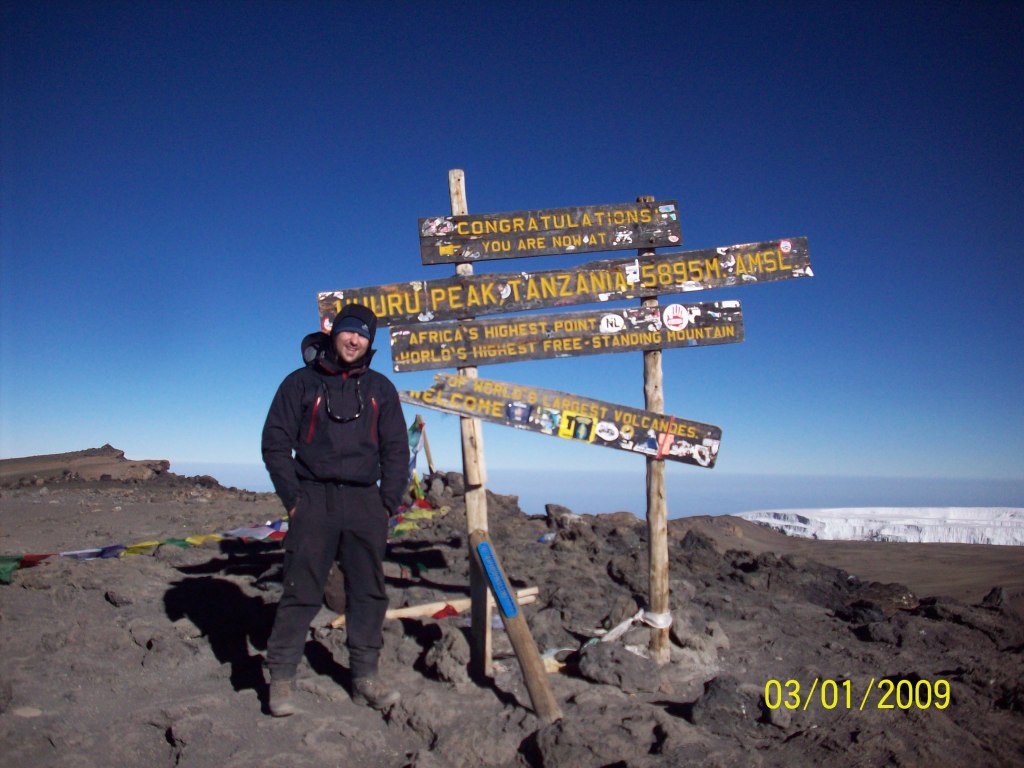
HB: That is almost the most difficult question. I have to mention the trip to Africa to Kilimanjaro, if only because it was the first big mountain trip. I still remember the feeling of happiness when I booked the tour, and of course the incredible landscape around Denali in Alaska. But actually, all mountain trips were wonderful experiences in their own way, with the exception of the earthquake on Everest and the altitude sickness on Aconcagua.

Q: If you had the opportunity to change something in the world, what would it be?

HB: I would give every person the ability to pause before they take actions and to ask themselves what effects their own actions have for other people. I believe that many people lack this and that it leads to many bad things that we are currently experiencing in our society.  

 © Holger Birnbräuer / http://holgerbirnbraeuer.de/

Q: Imagine you could wish for three things – What would they be ?

HB: I have already described the first wish in the question before. I hope that there was more peace, silence and sustainability on our planet. Then, of course, health for me and my family. The third wish would be a little less work and more time for family and hobbies.


After thirty minutes the interview is already over. It is clear that after all these years you want to know what the other has done. So we talk about changes in our lives or the time when I was his student and he was my teacher. After a great interview, he offers me a ride to the station, which I accept.


Dear Holger,
what a joy I had when I saw you in November 2021. Thank you so much for responding to my interview request. It was nice to see you after all these years and to do this interview with you. I thank you especially for your time and openness. Most of all, I wish you and your family all the best for the future and hope to see you again at a later time.

**For all my followers: If you would like to get in contact with Holger, you can find him on Facebook or contact him via his main website: http://holgerbirnbraeuer.de/