It was 2018 when I was searching for personalities who are inspiring in a very special way. By chance, and without specifically looking for anything, I came across a video on the SoulPancake platform. On the screen, I see a woman saying the following sentence:
I am just a human and one day this body is gonna be gone.
Ashley Eakin, Filmmaker
It is Ashley Eakin who articulates these sentence. The video is a feature. A video that gives extraordinary people the opportunity to be seen. The company itself advertises with the following sentences: “The Interweb’s GOAT source for uplifting videos about what it means to be human.” At SoulPancake, the focus is on people – people who are real, unfiltered and have a story to tell.
I have decided to publish this interview as a modern 2026 feature, and not as a simple Q&A blog post – so, the interview with Ms. Eakin is a narrative, reflective blog piece that reintroduces my conversation with Ms. Eakin in a way that feels current, layered and culturally relevant. Enjoy!
THE MIRROR MOMENT
Ashley was born with a rare combination of Ollier’s Disease and Maffucci Syndrome – a non-genetic condition that affects bone growth and can lead to tumors, surgeries, and lifelong medical challenges. By 2018 when our interview took place, she had undergone +25 surgeries and survived ovarian cancer twice.
This facts show that Ashley had gone through difficult times. I still remember the medical complexity as well as something else. She desribed walking through her life feeling “normal” – until she caught her reflection in a mirror. She says:
“So, growing up I think I really tried to push the disease aside and almost ignore it. But as I matured and was able to process my disease, I have realized it has infiltrated every aspect of my life. In both good and bad. Growing up, I used to avoid mirrors because when going about daily life, I would think I had the standard body – like what I see on everyone around me, but then I would catch myself in the mirror or see a photo and remember, OH! I am different and it would almost have this devastating effect. But with each passing year, I have grown to love myself but the most dramatic shift probably happened around 2012, with the most prominent growth happening this past year“.
That moment – the collision between self-perception and external reality might probably be something many of us understand. Whether medically influenced or not, many people might be familiar with “The Mirror Moment”. The mirror is not only glass anymore.
It is Instagram. It is TikTok. It is AI-enhanced perfection. It is society.
Ashley continues:
“Do not get me wrong, although I have had internal struggles with my disease – people who know me would describe me as happy and fun. I have not let my disease hold me back from pursuing my goals and I have had some amazing jobs in TV and Film that have allowed me to travel the world. Aside from a small group of people, most people who know me think I own who I am and this disease, which is true. But it is definitely been a journey to get here. I never in my life thought I would be this open on the internet. Even if you asked me two years ago, I would have never thought I would be this vulnerable.“
Ashleys’s realization that “normal” body would not equal a perfect life dismantles one of the most persistent illusions of our time: that appearance determines fulfillment.
Ashley Eakin on SoulPancake – I Survived My Greatest Fear
VULNERABILITY
When Ashley decided to publicly share her story, she called it her “coming out” moment — not in the traditional sense, but in the sense of revealing what had long been hidden.
She wore a dress that showed her scars. She chose not to hide. “I never thought I would be this vulnerable online,” she told me.
In 2018, vulnerability on the internet felt brave and unusual. But it is people like Ashley who have paved the way. In 2026, vulnerability is everywhere – That is important. It is necessary. But there is a difference between curated vulnerability and courageous vulnerability. Ashley’s story was not aestheticized. It was not monetized trauma. It was a woman deciding, on her own terms, to exist fully — scars included.
That distinction matters.
BEYOND THE BEAUTIFUL FACE
Ashley revealed that some people reduce her appearance to her beautiful face. “It’s weird,” she said. “It’s a compliment. But it feeds into the idea that if I had a ‘normal’ body, my life would be perfect.”
Ms. Eakin opens up an important topic which people with disabilities unfortunately face. That sentence quietly dismantles ableism, perfectionism, and surface-level empowerment narratives all at once.
This is what Ashley’s case reveals :
Beauty can become a mask. Compliments can become cages. And assumptions can erase complexity.
That means, in a culture still obsessed with visual capital, Ashley reminds us that a person is not a highlight reel.
CHOOSING MAGIC – EVEN IN PAIN
What I loved during our interview is that Ashley does not romanticize suffering.
She acknowledges her pain. She acknowledges her struggles. She admits that she could focus on the negative — and it would be just as truthful.
But she chooses something else:
I do see a positive purpose. But I really have to focus on that. I could easily focus on the negative and it would be just as truthful. But I think, at the end of the day, you take away what you want. And I choose to live a life where I see magic all around us, even in pain and tragedy. Empathy is one of the most beautiful characteristics of human beings and I get to see that all the time.
Ashley Eakin
That choice is not naïve optimism. It is agency. In 2026, where cynicism often masquerades as intelligence, choosing empathy can feel like rebellion.
And empathy, as Ashley says, is one of the most beautiful characteristics of human beings.
REPRESNTATION AND STORYTELLING
Ashley never wanted her entire creative identity to revolve around her illness. She wants to direct powerful stories — stories that connect, stories that move people, stories that expand perspectives.
That desire feels even more relevant today, as conversations about disability representation, authentic casting, and inclusive storytelling reshape the film industry.
Her journey is not just about overcoming something.
It is about who gets to tell stories. Who gets to direct them. Who gets to be seen.
KINDNESS IS NOT INHERENT – IT IS LEARNED
When I asked Ashley what she would wish for, one of her answers was simple:
“For people to be more kind.”and added something that still echoes today:
Hate and cruelty is not inherent. It is learned.
Ashley Eakin
She added:
“SO MANY THINGS! This video went out and I contemplated a documentary, because I love stories and have heard from so many incredible people pouring their souls out. And I thought about going around and meeting these people – but truly, I do not know if I want my creative filmmaking focus to be on my own life. If the opportunity arose, I may chase that – but my main goal is to direct powerful stories that people can connect to. Not only about my own disease. I have directed a few short films and my most recent one I shot in Malaysia this summer. It is called The Details and it is really special to me. I am excited to release it soon! For my next project, I also have as short film that is inspired by one of my favorite Shel Silverstein poems called Masks. I plan to fundraiser for it and may even include some of the people who have reached out to me through the video. It is going to be a good one!“
In an era defined by polarization and digital hostility, that insight feels less like a wish and more like a call to action.
Kindness is not passive. It is cultural work.
WHY THIS CONVERSATION STILL MATTERS
Looking back at our 2018 conversation, it was never just about illness.
It was about identity. About visibility. About the courage to exist without apology.
Ashley taught me that self-confidence is not a destination. It is a practice. A daily decision to focus on what is internal rather than external. To value empathy over aesthetics. Purpose over perfection. And perhaps that is why this interview feels even more relevant today. In a world obsessed with being seen, Ashley reminds us that the real work is in being whole.
ABOUT ASHLEY EAKIN:
Name: Ashley Eakin Born: California Profession: Filmmaker, Director and Advocate Known for: Films like Single, Growing Up, Forgive Us Our Trespasses, Survive, Crazy Rich Asians
ALSO WORTH READING:
Ashley’s reflections join a chorus of voices I have previously highlighted — voices like Najwa Zebian’s, Kathy Parker’s and Funmilola Fagbamila’s — women who transform personal experience into collective impact.
I first came across Megan Faircloth’s story around 2017 when I watched a TV show. I immediately knew that I wanted to share her story on my blog. Since our interview, I am grateful to call Megan my “friend from afar“. Even though we have never met in person, we have stayed in touch ever since. Please read this incredible story and share it as much as you can.
GROWING UP IN POVERTY: WHEN HOME WAS NEVER SECURE
@abylovesblogging: Please, tell us about what you and your family had been through because of your homelessness….
Megan: My family began to have financial struggles during my middle school years. We were evicted from several homes and I moved schools a lot. Finally, in my eighth grade year, we were evicted from another house and we had nowhere else to go, so we moved into an abandoned house in Wendell, North Carolina. My father knew the owner of the house and the owner of the house owed him money, so the owner allowed us to stay there, though the house was pretty uninhabitable. There was a hole in the roof of the kitchen where water leaked in every time it rained. There was also a hole in the floor in the room where me and my sisters slept. There was no heat or air conditioning in the house. And even though my parents did not have to pay rent, we continued to struggle financially. We could not afford the water bill, so the house did not have running water most of the time, and we often went without electricity. […] Then tragedy struck. The owner of the home died, and his wife did not want us living in the abandoned house anymore, so we were evicted. We were only given 24 hours notice before we had to leave the property, as the owner’s wife lied to the police about how long we had been living in the house (In America, the longer you are living in the house, the longer you are given to collect your stuff and leave. Legally, we should have been given a month to pack and leave, but the owner’s wife told the authorities that we had only been living there a week so that she could evict us quickly). As a result, we lost most of our belongings. I made off with my bookbag and my textbooks, a bag of my clothes, and a box of my journals- which to this day are my most prized possession. […] I was taking 4 college courses when most students at my school only took one or two because the classes were so difficult.The counselor at my school had warned me at the beginning of the school year that my course load would be too difficult, but I told her I wanted to do it no matter how hard it was. Even before becoming homeless, I was determined to get out of poverty through my education. The same week of the eviction, my mother was admitted to the hospital and diagnosed with an ovarian tumor. We did not find out until two months later that it was not cancer, and so for a long time me and my sisters were very worried. The same week of the eviction and my mother’s diagnosis, my father abandoned us. He was tired of having to be a father and having a family and thought he would have an easier time finding a place to live if he were on his own. […] At one point, I was so exhausted, and I was getting sick often and missing a lot of days at school, so my grades became very bad. I was failing my college biology course, I had a D in PreCalculus, and I had a C in my college statistics class. At this point, I honestly thought it was over. With grades like this, I was not going to get into college. I was ready to give up and quit school. Homelessness had taken away my home and my belongings and now I thought it was going to take away my future.
“I WILL SURVIVE“: FINDING STRENGTH TROUGH MUSIC AND WORDS
[…] But then I decided that I was not going to give up. My education meant too much to me, and I was determined that no person or circumstance was going to take it away. I became obsessed with inspirational quotes and song lyrics, including Gloria Gaynor’s “I Will Survive” and quotes from the novel “Unbroken” by Laura Hillenbrand. I wrote all of them on my bookbag to remind me constantly to not give up.I managed to pull my grades up until I had all A’s. While my family was staying in a homeless shelter, I learned that I was the valedictorian of my school. As a result, school became an even greater source of relief for me, an even greater anchor of sanity, binding me with hope and promise to the future I had invented for myself in my mind. A future where food insecurity, motels, and abandonment ceased to exist.
School was a place of opportunity and hope
Megan Faircloth
@abylovesblogging: How long have you been homeless and how tough was it to have a “normal life”?
Megan: I was homeless from November 2015 to October 2016. My family and I now live with other relatives, and my mom is trying to find a job so we can get our own home. I was always an outcast at school because I was shy and I was made fun of for being poor even before becoming homeless, so I do not think I ever had a normal life. But while I was homeless I did try to make it seem like I was okay in front of my classmates and teachers. I would try to put on a smile in front of them. However, to some degree I was genuinely happy at school. I tried to look on the bright side. School was a place of opportunity and hope. It was not always easy though. One time I could not hide how I was feeling and I broke down and started crying during class. No one really noticed and I kept taking notes.
@abylovesblogging: When and where did you realize that if you want a change, you got to do something? What exactly did you do?
Megan: The education system in America is not kind to low-income students. Schools in low income areas are underfunded and low income students often struggle with emotional troubles that are ignored by teachers. Sometimes there are things you need for class, like expensive calculators or internet or textbooks or technology, that low income students can not afford and that schools can not provide. Overall, the teachers and administration do not seem to really understand the struggles that low income students go through and they can not help them, and as a result low income students do not perform well in school or they stop going to school altogether. Because of this, low income students are likely to be poor for all of their lives and the cycle of poverty is reinforced. For years, I saw some of my friends and peers who are low-income fail in school for issues beyond their control. They came from families like my own. This scared me. I knew if I wanted to succeed that I would have to fight back against the unfair education system. I would have try really, really hard, even when I was hungry or exhausted and even when I did not have what I needed to succeed in school. I also knew that during the college admissions process, I would be competing against students who had way more resources than me, and I would have to also try extra hard to be as successful as them even when they had more. I think I made the decision that I was going to do well in school before I began my ninth grade year. In middle school, I had heard from somewhere that if you did well in school, colleges would pay your tuition for you. This idea enraptured me. At the time a school like Stanford did not really seem possible to me, but I was going to try my best regardless. I knew there were going to be a lot of things that were going to happen that would try to deter me, to slow me down, to break me, and I knew that if I let them that I would never get out of poverty. I decided to fight back with all of my might to prove myself and to survive.
FIGHTING AN UNFAIR EDUCATION SYSTEM
@abylovesblogging: How did this part of your life has changed the person you used to be?
Megan: Now I can sleep almost anywhere. I do not complain much anymore. Belongings and material objects are pretty much worthless to me now because I know very well that I can live without them. I am a person who just wants the bare necessities and instead I find happiness in the little things in life that are free- sunshine, family, music. My emotional recovery after being homeless has also had its low points, but therapy has helped. Being homeless made me grow up a lot and see things in a more holistic way. Worrying about things like, for example, what other people think about me, seems so trivial in comparison to worrying about where you are going to sleep. It has also made me want to be an advocate for other low income students, because the issues that they face are something that is very close to me and very personal, and now I am in a position where I can help others.
@abylovesblogging: Gloria Gaynor’s song “I Will Survive” was the song which gave you hope – how exactly did you feel while hearing the song?
Megan: I heard “I Will Survive” playing on the radio as my mom was driving us to a homeless shelter for the first time. I was feeling very anxious about going to the homeless shelter, but the lyrics, particularly the lines, “Did you think I’d crumble?/Did you think I’d lay down and die?/ Oh no, not I. I will survive!” made me feel strong. It felt like a message to all of the things that I felt were trying to tear me down. I decided to write the lyrics on my bookbag with a sharpie and add them to my collection of inspirational quotes. The quotes gave me courage when I was feeling weak. I felt like I was borrowing courage from other people. I was Gloria Gaynor, I was Louie Zamperini- I could be strong like them.
FROM HOMELESS SHELTER TO VALEDICTORIAN
@abylovesblogging: Your last way out of homelessness was education. You studied many hours in libraries and even outdoors next to your car where your family lived. You finally graduated as valedictorian, which is awesome. Had this been your goal or did your only wanted to get education to change your future?
Megan: I felt like the ultimate underdog in school. I was shy and I was bullied a lot, and I felt like no one in the outside world respected me because I came from a lower class family. The upper-class people we had met before and the rich landlords who had evicted us from their properties had always gone out of their way to make my family feel like trash. But my teachers respected me at school because I worked hard. That was new to me- I always felt like my socioeconomic status was burned into my skin. But my teachers did not care who my parents were or if my family had money. They did not care where I lived or if my clothes were worn out. If I worked hard and was a good student, that was enough for them. I think school was the only place where I had any sense of self worth. So, my freshman year of high school, I set my sights on becoming my school’s valedictorian because I wanted to prove myself to all of the people who made fun of me and to all of the people who had tried to make me and my family feel like trash. At my school, the valedictorian was a highly competitive and respected position. People who became valedictorians at my school were usually popular and came from wealthier families. It became my dream to surprise everyone by taking the spot. Of course, my education and college admissions chances were much more important to me that the title of valedictorian, but I also wanted to graduate as valedictorian to upset the other wealthier people who wanted to the spot. I wanted people to finally have to respect me.
@abylovesblogging: One of the best elite university, Stanford university has accepted you. How do you feel about that?
Megan: It is amazing! Every day that I am on campus I am in awe. I think about how much it took to get here and I think about how hard things used to be and I am still in disbelief that this is my reality now. I am a Stanford student. Sometimes when I am walking around campus, I feel compelled to touch the buildings and the flowers and the palm trees just so I can confirm that this is real and not a picture, otherwise Stanford still feels too much like a dream.
@abylovesblogging: Where do you see yourself after your studies? What else do you want to achieve?
Megan: I do not know exactly what I want to do. Art and music and books played a big part in my success, as did education, so I know I want to work in one of those fields. Whatever I choose though, I know that I will continue to be an advocate for low income students and for education reform. I want to use my privilege of being at Stanford to be a voice for my community and for other low income students that are otherwise underrepresented. I also want to tell my story more, and I want others to learn whatever they can from it, because I know that inspirational stories were such a big part of me having the hope to continue despite all of the trouble that was going on in my life.
LESSONS FOR LIFE: RESILIENCE, HOPE AND NEVER GIVING UP
@abylovesblogging: Do you believe that, although your homelessness was a hard time, that you have learnt something important for your future life?
Megan: Absolutely. If I had the choice to go back in time and change my circumstances, I woul not change anything. Being homeless expanded my perception of happiness. Being homeless acquainted me with the secret reserve of strength in my heart that I had never accessed before, but was there when I needed it. That second wind of resilience, that I think all humans have- that piece inside of us all that is determined to continue no matter what.
@abylovesblogging: Which advice would you give people at your age who want to achieve their dreams?
Megan: It may sound cheesy, but nothing is impossible. You can do anything you set your mind to. The biggest impediments to our dreams are not our resources or talents, but our own perceptions of our limits. If you doubt yourself, you are holding yourself back. So never give up, and never stop fighting.
Megan: I would wish for poverty to end. I would wish for everyone to have two loving parents. And lastly I would ask for my family to have a house of our own.
Since this interview, some time has passed — but Megan has stayed. Even though we have never met in person, something meaningful grew out of this conversation: a genuine connection. I am grateful to be able to call Megan my “friend from afar.”
Her story continues to remind me how much strength, courage, and hope can live within a person — even when circumstances seem to work against them. Megan inspires me not only through what she has achieved, but through the way she moves through life: reflective, compassionate, and deeply hopeful for others.
Her journey is proof that where you come from does not define where you are going — and that even from the darkest chapters, something truly beautiful can grow. I hope Megan’s story touches you as deeply as it has touched me and gives you a piece of the courage she continues to give me to this day.
What does it mean to be the first? To walk into rooms where no one looks like you, to lead where others only followed, and to speak truths that are too often silenced? Florence Brokowski-Shekete has done just that — and more. As the first Black female school superintendent in Germany, Florence’s journey is not just about personal success; it’s about challenging systems, embracing identity, and refusing to let injustice go unspoken. In this candid and moving interview, Florence opens up about her childhood between cultures, the quiet strength of motherhood, and the battles she’s fought — and still fights — in a society that too often turns a blind eye to its own biases. From painful discrimination to empowering leadership, she shares stories that are as raw as they are inspiring. Curious what drives a woman who says she wants to be “the Oprah Winfrey of Germany”? Keep reading — this is not a story you want to miss.
@abylovesblogging: Please briefly introduce yourself – what do you do, what are your interests?
Florence: First of all, thank you for meeting with me today. My name is Florence Brokowski-Shekete, and I’m an educator by profession. I studied to become a teacher, worked as a teacher and principal, and today I serve as a school supervision director in a public school office. My parents came from Nigeria to Germany in the mid-1960s. I was born in Hamburg and grew up with a white German foster family. When my parents returned to Nigeria, I was nine years old – and I had to go with them. That was a huge change for me, as I didn’t feel comfortable in Nigeria because I missed my mom terribly and didn’t have a close bond with my biological parents, since I hadn’t grown up with them. Luckily, after three and a half years, I was able to return to Germany and live with my mom again. I grew up in Buxtehude in northern Germany. But even then, I noticed that due to my Nigerian passport, many things were denied to me, and I constantly faced resistance and problems. Later, my mom adopted me as an adult, which allowed me to get a German passport and study to become a teacher. I followed my professional path, which wasn’t always easy and had its rough patches. I wasn’t walking around thinking that life was hard because I’m Black – not at all. But whether you want to or not, there are moments when you realize you’re facing resistance. Of course, people always asked where I came from and what my background was. When I shared my story, they often told me I should write a book – and that’s how it came about that I published my autobiography in 2020, followed by the book “Raus aus den Schubladen! – Meine Gespräche mit Schwarzen Deutschen” in 2022, and in 2024, the first season of my podcast was released as a book. The idea for the podcast came to me in 2022 – I wanted to talk about everyday racist situations. I brought in a white person for the dialogue because I thought it would make a good dynamic – which worked well for six seasons.
@abylovesblogging: What exactly was the problem in Nigeria? Can you give me some examples?
Florence: Yes. In Nigeria, I was considered “the white one.” Because I had been raised in a completely different culture, I was brought up white. The kids there called me that too – in Nigeria, there’s a term, “Oibo Pepe,” which is used for white people, and that’s what they called me. But I don’t know if that was the main reason. The main reason was that I missed my mom. If I had gone somewhere and she had come with me, it wouldn’t have been a problem at all. I love traveling and being abroad. I’m very curious and enjoy exploring other cultures. But in Nigeria, I was a child missing her mom, and that’s why I didn’t feel comfortable there. My biological parents were strangers to me. They didn’t have the kind of love for children that I knew.
Florence: Definitely. I do think there’s a cultural aspect. When I compare it: my white mom was born in 1924, and my parents were 20 years younger than her. You could say, if it were about generational differences, my mom would have been the one who was a bit colder and less loving. But I think it has something to do with culture. I’ve heard the same from others – that, compared to Germany or to what we generally know, the way parents express love there can feel cold. I always said, once a child can walk, it can work – that’s the feeling I had in Nigeria. If you can’t walk yet, you get carried on the back, and that’s okay, but once you can walk, you’re expected to be useful. I really missed warmth – maybe it was something specific to my mother.
@abylovesblogging: How did you manage to walk this path despite these experiences? What helped you?
Florence: I came to my mom when I was two, after being in various foster homes. I’d say, luckily, my biological parents had very little influence on my upbringing. Because I came to my mom so young and was showered with love – I really had everything a small child needs. My mom didn’t have much money, and my parents eventually stopped giving her any to support me. She took it all upon herself. And with the little money she had, she tried everything to give me a nice childhood. […] My first Christmas – I had come to her in February – she made a dollhouse out of a shoebox: an apartment with two little dolls. She didn’t even know if I would play with it or not. […] She did it with so much love – and that was my life’s luck. Those seven years gave me so much love for life that the three years I spent in Nigeria had barely any impact on me. [….] Compared to my sister, I got off lightly. But my parents had a different method, especially my mother. When they thought I needed to be punished, they’d say I wasn’t allowed to write to Germany anymore and wouldn’t get my letters. A teacher who supported me helped me return to Germany. Those 3½ years definitely didn’t leave me completely unscathed. For the first two years afterward, I needed a lot of time to develop basic trust in people. But I always say, everyone carries their own little burden – and those seven years with my mom gave me a healthy self-image. So, I didn’t miss the love of my biological parents, because I had a mom who loved me […].
Florence: Not in a negative way at all, really not. My mom showed me what it’s like to be loved as a child. And I realized very early on (and that might sound really stupid now, but I don’t know why I wanted that as a child), but whenever we went to the zoo (let’s skip the discussion about whether zoos are good or not, but back then it was still a thing. In Hamburg there’s a zoo/animal park and in the ape house there were always the little baby chimpanzees, and they were always diapered like children and so on). And for some reason, as a child I always said that I wanted a little monkey. Maybe because they looked so small and cute. And then I was showered with stuffed monkeys and always cried because I wanted a real little monkey. I think I just wanted something I could love and give love to. When I had my son and I heard in the maternity class that you have to get used to the child once it’s there – and I thought: What nonsense! I already loved my child… I loved this little being before he was even born. So thank God those 3½ years with my parents had no influence on how I treated my baby. I’d say those 3½ years in Nigeria, regardless of my parents, made me a multicultural person. That wasn’t so bad, because otherwise I wouldn’t have any connection to my skin color and my Blackness, so from that perspective it was good. I really realized what it’s like to live in Nigeria as a Black person and be seen as white. […].
@abylovesblogging:What challenges do you see in the future in Germany regarding racism, and how can they be overcome?
Florence: The future is a good question. I do see that there are many people in our society who are open and say they don’t know much about everyday racism but want to learn and be open and do better. They are aware that there are everyday racist and discriminatory situations. People who consciously say that everyone has the same human rights, and we want to do things differently. You can also see that now: People are going out and demonstrating for democracy. But I also see the people – and I see them in my work environment (though that’s probably a coincidence, because my work environment also reflects society… so I think it’s a societal phenomenon) – who say they’re fed up with the whole diversity debate. People who, like the Tradwives, are regressing and becoming conservative again – I get the impression there are people who are completely conservative. They don’t even want to touch the topic of diversity. I work in an environment where the topic „diversity“has not deeply thought of. There are still people who can‘t connect to this topic. I had predicted earlier that we need diversity management. At first, I thought “then I’ll just leave it”, but then I thought “No”. I was specifically appointed by the Minister of Education in Baden-Württemberg to the state school advisory board for this topic, and then I can’t just say in my work environment: “Oh, never mind, it’s not that bad.”
If the leadership of a company, institution, or organization doesn’t address such topics, and no one says “Wait a minute,” then it gets lost. And if the leadership rolls their eyes at the topic, then the people affected feel excluded – and that just can’t happen in 2025 anymore. I’m no longer willing to just accept it. That’s what I observe here and there, but I believe we people who care about this – and that’s not just Black people, but people who are gay, have a different gender identity, etc. – we have to speak out. That doesn’t mean I know all aspects of diversity… maybe I know them on a meta level. I don’t have to like everything, but that’s not the point. The point isn’t to say: “Oh, having a migration background is okay, but if someone is gay, their feelings aren’t valid.” That’s not it. Human rights mean that everyone must be accepted in their individuality, whether I like it or not. That’s the kind of topic where I feel we’re not yet at a point where acceptance is strong.
@abylovesblogging: How can you deal with this fear? Do you have any tips?
Florence: That’s a tough question, because kids and teenagers spend so much time on the internet and on social media. They’re exposed to so many images, “realities”, and truths, that I’m sometimes not surprised if they struggle to deal with it. I’d say home should always be the source where I can express my fears, worries, and concerns. Home or with loved ones, and of course school should also be a place – but first and foremost, home. For example, when the war in Ukraine started, it turned out that many Black students (which I didn’t even know before) were unable to leave Ukraine. I didn’t know there were so many Black students there. The fact that they couldn’t get out properly – that’s something deeply shocking. There were probably teens who saw that and thought, “What if I had been there – would I have been just as powerless?” So it’s good to talk with parents and look at how situations were resolved. In some areas, return tickets were even given away – I meet people from that party and weirdly enough, they’re sometimes super friendly to me. I have no idea why. One time, I was in a meeting and afterward, one of them passed by me and wished me a nice day – like it was super important to him. And I just thought, “Huh? What do you want from me?” I just thought, it’s already enough that I have to breathe the same air as this person. But that’s how they try to instil fear. The more you engage with it, the more it affects you.
@abylovesblogging: Are there moments that especially shaped you? If so, which ones?
Florence: For example, when I did my second state examination, I felt discriminated against by the examination board and the head of the seminar. The way she spoke to me… she handed me my certificate and said, “Your competence is worth that of a cleaning lady.” Then the person who supervised my seminar paper, the one I followed for guidance, was later criticized – and it affected my grade. I confronted him, but he wouldn’t even look at me. It was all very unfair. I always had to deliver more than everyone else. I spent two years at a primary school and that was good – no problems with the kids or parents. Then I was self-employed for six years, which was also lovely. Then I went back to teaching at a schoolwhere I had the strange feeling that the male principal doubted my qualifications. But of course, and again I proofed him wrong. I think he had issues with his masculinity. And I’m someone who doesn’t fawn over men like that – I’m professional and do my thing.So when he saw that I was capable, the dynamic changed. Suddenly I was “the teacher”, and when I became a principal, he proudly visited me at the school with flowers like “my teacher is now the principal”. But I had to first prove myself and show that I wouldn’t be treated like that.Then someone at that school cut up my jacket – everyone initially said it must have been kids. But I knew immediately it was a colleague. Years later, another colleague said: “You know, we all knew it wasn’t kids, and we also knew who it was, but we were too scared to say anything.” And in such situations, no one helps. I wrote about it in my book too – the police were involved. One officer told me not to make such a fuss, it was just a jacket. It was all very degrading. My former boss, who hadn’t even read the book, heard that someone told her she’s portrayed as a racist in it and messaged me on Facebook. But I actually portrayed her as someone who supported me in advancing my career. So I replied: 1. She hasn’t read the book. 2. If that’s her only concern, then I’m sorry I phrased it so gently – next time I’ll give different interviews and be more direct. I mean, she asked for it! If she wants it, she can have it. Since then, I’ve blocked her and cut off contact.Those are the situations where I think – it’s not enough that I’ve been harmed, but I’m also expected to protect the perpetrators’ reputation. Then I applied to be a school principal, and there were plenty of people trying to block me. But there was one woman, the then-head of the school authority, and she said she wanted me as a principal and gave me full support. And the guys – mainly men – who tried to block me, had to work with me when I became a school inspector. One of them had to work with me – that really annoyed him. Eventually I had to put him in his place, because he thought he could cross my boundaries. And there’s still one guy who has to work with me to this day. Totally awful, but I think I show him how it’s done. These are the people who think I didn’t know they were against me.
@abylovesblogging: Do you think all of this happened to you because you’re a woman and a PoC?
Florence: Absolutely yes. Last year I faced a situation which clearly showed that my skin colour mattered. If this situation had involved a tall, white, blond, blue-eyed man, people would have also disagreed with the decision, they wouldn’t have dared to play the same games they played with me. I hold that very much against people – and I was asked: “You’re not resentful, are you?” – Yes, I am. I can handle it professionally, because I believe you always meet twice in life […] I think it happened because I’m a woman and a PoC – that’s where intersectionality comes in.
@abylovesblogging: How do you experience this? Do you notice an “elbow mentality” among Black women in the community?
Florence: […] I remember this from my university days. At the university I attended, there was a Black woman with a white parent who ignored me, like I didn’t exist. Only when I had braids did she suddenly approach me and talk about how great the braids looked and where I got them done. I hear from time to time that there is something like jealousy in the Black community. Like I said, I don’t feel it personally. On social media, sometimes Black people write to me asking why I talk to white people and that I’m too white. But I just ignore that. If people have a problem with it, then they can unfollow me. But because of things like that, I try to live slightly different. My son also wants me to help other BiPocs. I get a lot of requests from young Black women, like your request (she meant mine), and when I tell my son about it, he says, “You’re going to do that, right?” or “That’s so nice that you’re doing that.” For me, that’s a given. […] David Bowie’s wife once said in an interview something like: I opened a lot of doors, and I always make sure that the door stays open for the people who come after me. I really like that. […] That’s why I love supporting young Black women/men.
My first wish would be that my son and I stay healthy and that nothing happens to us – especially him. That nothing happens to him and that he’s happy and content. That’s the most important thing to me. That we can grow old together in the sense that he has a mom who ages but stays healthy.
That society becomes more content again and that politics develops a good instinct to help people feel safe. Because right now, I feel that politicians lack the right instinct to ensure that people living in this country respect it. It shouldn’t be that we constantly experience situations like we have recently. That has nothing to do with whether someone has a migration background or not. If you live in this country, I expect you to have respect for it. It’s like in a family or a class: I can have a certain loving strictness, which means I show the children I like and respect them, but there’s a boundary – and if someone crosses it, there are consequences. That’s what I wish, because if it doesn’t happen, we might face political consequences tomorrow […].
My third wish – which I’ve had for a long time – is to have my own talk show. I have my talk format “SCHWARZWÄLDER & BUTTERKUCHEN” because I love it – I love talking. […] That would still be a wish: I want to become the Oprah Winfrey of Germany. We have some well known hosts and I really like them.. I was on the NDR talk show twice, and I really love all of them.. I’d love to be the Oprah Winfrey of Germany, because I think I’d be good at it. My talks are also on YouTube – they’re not sensationalistic, but solid. I think the German TV program could really use a solid talk show again.
At the age of 18 on 24th October 2008, Max Rinneberg lost his memories and emotion due to carelessness. Since, 24th October 2008, he is suffering from retrograde amnesia – that is a memory loss which compromises my biographical and emotional memory. But this incident did not stop him..
Q: Please tell me what happened on that day?
MR: On that day, I had that accident. Everyone has already fallen down the stairs. In most cases, this is not a big deal, except some blue spots. I did not fell off stairs, but I fell three tiny steps. On my way, there were these, in my case, untameable stairs. Few seconds before the accident, I probably was stumbling and therefore fell heavily headlong on the stairs . The result was laceration, traumatic brain injury, unconsciousness and later my amnesia. A half an hour after my accident, I was found lying on the ground by my sister and my friends. At that point, I already could not recognize them – everything was unknown for me. Until that today, my brain is not able to recognize any fragments of memory. All my knowledge and memories of the life before are buried and lost.
Q: When did you decide to let go of your old life and start a new one? When did you accept the fact that you are now another/ new human?
MR: This lasted for a couple of time. At the beginning, I was hoping that everything will be okay in the end – and the doctors tried to encourage me. But, also after a helpful residence in a psychosomatic clinic and an outpatient talking therapy, my memories are still lost. After doubts and uneasiness did not fade but life gave me new opportunities, I realized that life must go on. That was the point when I started over and was able to try different things and finally found myself, therefore I am living to the here and now.
Q: What has changed since you living a new life ?
MR: A lot has change since then. I was a disciplined, organised, structured and competitive athlete. Today, I do not have a plan for every day and take things as they come. I also do not have much to do with sport anymore. Nowadays, I golf with some friends of mine when the weather is nice, at least when it must be physically active. But I Iike much more to be surrounded by nice people and eating nice food and drinking a nice bottle of wine. I also do not live in my homeland, but I try to visit my family and friend whenever it is possible. Currently, I am searching for a new place which could become my new homeland. Now, I am on the go to Spain – or to put it another way, to Mallorca. I am looking forward to work there as a sommelier.
Q: Where do you take the positivity from such an incident?
MR: The whole life is full of energy. Even bad days consist of incredible energy. Therefore, negative thoughts and emotions do also have energy. I have learned to transform these energies in something good and into positive energy. I have especially learned that nothing could be worse than it was at the beginning. At the time where I was helpless and surrounded by strangers at the bedside. I was numbed and motionless of irritation and helplessness. Every day, teaches and gives us something along the road. Usually, these things are just small details but in the end of our life, these little details form a remarkable and huge picture of our journey through life.
Q: You wrote a book about the accident. To what extent did wrinting help you to let go of your old life?
MR: Writing did not let me leave my old life behind me. Writing did help me to realize that this part belongs to my life. It was a kind of a lesson, which consisted of some tasks I had to deal with. To go further, writing helped me to realize and to face life again with a renewed courage.
Q: Would you still say that the accident had a good purpose ?
MR: In every negativity, there is also a good purpose, even if that is a call to change something. In my case, I could not change anything because I lost my memory. I had the chance to create something new. A life which I want to live, without any force and the chance to decide what I want to do.
Q: How does your family handle the situation?
MR: It was not easy for my family. I think, the incident made us stronger, even though, we had to admit some moments of weakness. But I think, even that requires strength – to talk about oneself and to talk to oneself. Nowadays, we are happy that we have each other.
Q: If you had the chance to turn back the clock, would you do that?
MR: This is a difficult question. The answer could not just be “yes” or “no”. I have found an answer, although I am still wobbling and searching for the last details – because there still coming new questions which could complete the answer. It will be a long answer, which I will answer in my new book.
Q: Is there a chance that you will gain back your memories from the medical point of view?
MR: In this case, the answer is easy. There is always a chance, but it could be compared to the likeliness of winning the jackpot in lottery.
Q:Last question, what do you wish for your future ? MR: Life.
_ _ _ _ _ _ Dear Max, Thank you for making this interview possible. You are an incredible human being. I wish you, from the bottom of my heart, all the best for your future. I am more than sure, that this interview will inspire many people out there. You are such an inspiration. Thank you so much.
“I have a dream that my four little children will one day live in a nation where they will not be judged by the color of their skin, but by the content of their character.”
Martin Luther King, Jr.
Q: Please introduce yourself to my followers and why it is important to so speak up…
A: My Name is Amivi Petra Etou-Assignon. I am 29 years old, living in Stuttgart (Germany) and I am mom of a 5-year-old boy. It is important to share our experiences with one another to learn and grow from it, and to see that we are never alone facing difficult situations and circumstances.
Q:Back in school, you already faced institutional racism. Tell me in which way?
A: Yes, in elementary school I faced racism. Classmates used to assault me and calling me names and made fun of my black skin. Even my teacher recommended me to a Secondary Modern School, and I was told by an early age that I will get married and start a family, because this would be typical for people like me and it would be a waste of time to send me right to a Grammar school.
Q: Why is it important that (black) people tell their stories about what they have been through in context of racism?
A: It is really important to speak up and show people that racism and institutional racism exists to this. We refuse to be quiet and suffer in silence. This treatment we have to endure is not okay and we will never get used to it. It affects our emotional and phsyhical health. We should also be an example to our children. Showing them we speak up for ourselves and demonstrating them that we will not accept nor tolerate such behaviour. We have rights, human rights and we are ready to fight for it.
Q: In your opinion, where exactly is the problem regarding racism in Germany? What must change in order to overcome racism?
A: The problem is that people barely admit their racist behaviour. They will also compare Germany to the USA and say stuff like “they are not even that bad compared to other countries”. The first step is to realise racist behaviour, but the realisation is in short supply. I remember a German TV-show which is called “Die letzte Instanz” where famous Germans were talking about racism. They agreed that it is not racist to use discriminatory terminology even though people feel hurt being called in a specific way. Furthermore, they agreed by saying that one should not make such a fuss and always “put on the shoe” (meaning that people should not take the blame when accused of racist behaviour). So, we see it is a deep-rooted racist mindset which still exists. I have really no idea how to overcome this. Awareness training has shown little improvement so far…unfortunately.
Q: You shared an emotional video few weeks ago, in which your handsome child cries and says that he does not refer to himself as beautiful because of his black skin. Tell what did you think those words coming out of his mouth?
A: It is really sad and hurtful to see your own child having a breakdown. Society proves that White people go through life easier than POC. It is sad that even children experience that.
Q: You are about to marry next month; but you had to change the plan. Tell me what exactly happened?
A: My fiancé and I planned to marry in a village near Ludwigsburg where we are building our house. We gave all the required documents to the register office there. A few days later, we get a writing from the register office that they doubt my identity. My fiancé is supposed to have said on the phone that I was born in Germany, which he never did. I was born in Togo and came to Germany at the age of 2 years. So now the registry office want to investigate and demands birth documents from Togo which prove my personal details . I instantly knew that I am dealing (once again) with institutional racism. So, we consulted a lawyer and he tried to mediate with the registry office. But, the registry office still does not believe my point of view. We ended up consulting another registry office about 20 kilometres away in Stuttgart. They were totally shocked about what had happened to me and told me that I am German citizen, so it is no problem for me to get married. So next month we will marry at the registry office in Stuttgart.
Q: Why do you think that your marriage is being made difficult (on purpose)? In which way?
A: I think its still a problem for some authorities to see people with an African background marrying their native citizen. Especially in villages, people are not happy about it.
Q: What would you like to tell young children / people dealing with the same issue?
A: Never give up fighting for your rights. There will be always a way for you to get your right.
Q: What would you like to change if you had the power to do so?
A: That people are treated naturally without reservations and prejudices. That racism disappears from people’s minds and life can finally take place without discrimination.
I have already spoke to another interview partner (Candy Frankenstein) about the issue of racism in Germany in my blog but this is such an important subject to discuss. And do not get me wrong, publishing those stories is not the attempt of telling that all Germans are racists. I do believe that most people are friendly and open-minded BUT I have been dealing with this issue as long as I am in Germany. Maybe not everyday BUT it still occurs – after living here for more than 20 years (!) – and sadly, I am not the only one. It is important to speak up and that is what I try by publishing such interview, like this one with Petra.
Dear Petra, thank you for your courage and sharing your story. I hope one day, we will live in a world where hate, prejudices and degrading people based on their appearance will not be an issue anymore. It is way too much to handle and to deal with . I wish you and your little family all the best and have a beautiful wedding – keep telling and fighting against racism – it is still necessary!
1. Tell me what kind of person Kylee was…what do you love most about her? How would you describe her?
GM:First of all, Ky was her own person. She spoke her mind and you never had to guess what she was thinking. As a kid, she was just as happy hanging out by herself riding horses or pretending to be a horse. Sheeven ate grass and would come in the house with green lips!She was extremely sarcastic and that is how she showed her love! If she wasn’t sarcastic to you, she probably didn’t like you very much! But she was also the defender of the underdog. She would stand up for kids who were being bullied, and then she would tell them exactly why they were being bullied and give them some life advice! She was focused and dedicated to her school work and to sports. She loved basketball and worked hard to make her team successful. She was team captain andwas the one who would encourage her team mates to be better than they thought they were. I love everything about Kylee, but the one thing I love and miss themost is her giggle! It was contagious! I sometimes go to her Facebook and Instagram just to find videos of her laughing. She also had a beautiful voice and I wish there were more videos of her singing.
2. What exactly happened to Kylee (so that my followers know what happened). Can you recall the special moment when you (unfortunately) were told that Kyleewas gone?
GM:As I mentioned, Ky loved basketball and she was on her way to an open gym. This is where anyone can go to the gym and play basketball. It isn’t a competitive game as far as having teams from to see if she had left yet. Brandon said that she had left, but that she was probably just going slower due to the roads being snow covered. Kristen called a while later and said that Ky still wasn’t there. Brandon got ready to leave to see if maybe she had broken down or slid off the road and when he got to the door, he saw flashing lights of police cars and a line of traffic that had been stopped. He and Kylee lived just a short distance from the main highway that Ky had to travel to get to the gym. Brandon figured that Ky was probably in that line of traffic, so he started walking to see if he could find her. From what I understand from Brandon’s story is that he was looking for her car and saw that there was an accident and asked a police officer what color the car was that was in the accident. The officer said blue and Ky’s car was black. The officer asked Brandon what he was doing and he said that his girlfriend was going to Bend and she hadn’t arrived at her destination. The officer asked what his girlfriend’s name was and Brandon told him at which time the officer said that she was in the accident and was deceased. We still don’t really know what happened and I’m not sure the investigation is closed. But a witness that was two cars behind her and actually knew Kylee said that she just suddenly swerved hard and lost control. She crossed the lane of oncoming traffic and was hit by an SUV on the passenger side of her car and broke her neck. She died on impact. The moment I found out will be etched in my memory forever. It was December 20, 2016 at 9:21PM. I was just leaving the home of an elderly lady that I took care of a few nights a week. My shift had ended and I was walking to my car when my phone rang. I missed the call because I had my hands full, so as soon as I put the bags down and had started my car, I listened to the message from my oldest son asking me to call him. I called him immediately, we made small talk and then he told me that he had some news that wasn’t good. I instantly thought that his wife, who was a fairly new driver, had been in an accident with their kids and my mind searched for the strength to be available to him so I could support him. Then he told me that Kylee had been in an accident and didn’t make it. That poor boy had to sit and listen to his mother wail and scream, “No, God! Don’t take my baby!” After I was able to stop screaming, he told me that he had called his dad and that he was going to call the rest of the kids, except our youngest because her phone wasn’t working very well. She was the only one living at home at this time, so I had to do the hardest thing I’ve ever done in my life which is to go home and tell my daughter that her sister was gone. That moment was the most heart-wrenching moment of my life. It was hands down harder than finding out that I had lost a child. We cried and collapsed on the bed still not quite believing that it could be real.
3. What has changed since the day Kylee (unfortunately) died?
GM:Everything! Our family dynamic is not the same without her presence, my children aren’t the same without the unique relationship they each had with Kylee. Her friends miss her laugh and sarcasm and her outspoken personality. Brandon lost his love and his child; he will never be the same. Kylee’s dad and I will forever be changed. We lost a person that we created, brought into the world and loved and nurtured for 24 years. We carry her absence around like a heavy burden. We all live with a piece of our hearts gone. That part of us will never be reestored. There is no such thing as a “new normal.” In our human-ness it’s not normal for a child to die before their parents. It breaks all the rules of how our minds think things should be. But children do die before their parents and it turns our world upside down for a while until we can wrap our heads around the reality and decide if we will let it consumeus or whether we will embrace the path of joy that still awaits us.Walking around with a chunk of your soul gone is not normal. My identity as Kylee’s mom has changed. I am still very much her mother; however, I am not able to do the things with her that I had planned. I won’t be able to hug her. I won’t be able to watch her and Brandon become parents. I can’t pick up the phone and call her for no reason. I won’t get to hold my grandchild. Kylee’s death made me realize how quickly life can end. I have a new awareness of how I want to spend my time and who I want to spend it with. I find that I have more love for everyone in general, but less tolerance for those who carry negative energy or a negative attitude. I have learned to set boundaries with who I allow in my close circle. I strive to add value to people’s lives and leave them better than I found them by simply being present with them and remembering that they are imperfect children of God just like me. Grieving takes a lot of energy, so it is important to me that I spend time with people who don’t suck the positivity out of my soul! That may sound harsh, but it has to be that way for me.
4. Since that tragic day, you try to help people who have dealt or are stilling with grief of a beloved person. How exactly do you try to help them?
GM:A few ways… I am training to be a volunteer at our local grief center. It is still in the process of being completed and finalized, but I am looking forward to being able to do what I can to listen and bring some comfort to those who are struggling. I also have a Facebook group and Instagram page, both called #lovehardproject where I share inspiration and tips to navigate the grief journey. I am writing a program that also focuses on helping with grief and also touches on mindset because I truly believe that what we think and how we chose to live each day can either make the journey difficult or more joyful.
5. You have an Instagram account (group) called (#lovehardproject). What is the aim of that account?
GM:#lovehardproject started as a facebook page where I wanted a placethat was positive and uplifting. It was 2017 and the feel of the country was very negative and divided politically. The aim was to simply share positive content. Then the members began to share their stories of loss and sadness about not being able to talk to people around them. Grief changes the way people interact with you. They don’t know what to say. They feel inadequate and/or uncomfortable, so they just kind of drift away. Or they tell you how you are supposed to mourn the loss and that you have been sad long enough. I realized that grief is so misunderstood because we aren’t talking about it! I began to listen to the members of the group and what they were struggling with and I started writing things down. Those things are being developed into a program that I plan to launch by spring. The Instagram account is where that will most likely launch from. I am not as confident on IG as I am on facebook, but I hope that by simply showing up I can offer value and support to my community.
6. I know that you are dedicated to keep Kylee’s legacy alive. You managed to get Kylee a tree at a special place. Is it a way to be in (in some sort) in her presence? How often do you visit this place? What does it mean to you?
GM:Actually, a friend is the one who had a tree planted in Deschutes National Forest in memory of Kylee. Neither of us has been able to find out if the tree was marked when it was planted. We’re still working on that. When I find out, I am sure that I will start a traditional hike to her tree every year.
7. What are the most difficult moments, or which are the most difficult days where you feel overwhelmed by grief? And what keeps you going?
GM:I wish I knew the answer to this question! I never know when the difficult days and moments will come. Most of the time, the anticipation and anxiety of the arrival of a certain day is worse than the actual day. I always think that her death anniversary and her birthday will be rough. Sometimes they are, but most of the time it isn’t as bad as I think it will be. A few months ago, I heard a song on the way to work and that started an entire week of my feelings being right on the surface. I mean everyday I had a breakdown! I have learned to be super vulnerable and honest with those around me. All my co-workers know my story and I tell them that I am having a rough day and that I might need them to step in for me if I have a grief burst. They are the best work family and they are happy to take care of me. What keeps me going? My children and grandchildren! I am blessed with family who are close and supportive. They keep me going because it would be a dishonour to them if I felt like their lives were not worth celebrating. Also, I know Kylee would not want me to be sad and give upon life. She was vibrant and adventurous and since she isn’t here to experience earth life anymore, I will do it for her!
8. After all the tragedy you have experienced – do you think that Kylee’s death was not in vain? If yes, explain…
GM:Absolutely! I don’t even know how to explain it except by saying that we all have a renewed sense of closeness and realizing what really matters. After Brandon shared his heartache on Facebook the night Kylee died, the post went viral and people began to have hope in a love like Brandon and Kylee’s. They began to see how we came together as a family and they came along with us and wrapped their virtual arms around us and mourned and cried with us (I’m crying as I write this and remember feeling the power of their love and prayers). I have never felt anything so real and so powerful before from people that I didn’t even know. My niece set up a GoFundMe account and donations poured ineven though it was 5 days before Christmas. My faith in humanity was restored and I was overwhelmed with the generosity. I still have people reach out to me regularly that I only know through the tragic loss of my daughter. You are one of those people whom I feel a great love for and I am deeply appreciative of your support and how you check in regularly! My children have learned empathy for those who have lost loved ones.They are so amazing and are doing their best to honor Kylee’s memory by simply living their best lives and being kind and helpful and adventurous.
9. Have you dealt with the topic of death since the sad event? If yes, how?
GM:My life has been touched by loss quite often, so the topic of death isone that I have experience with; however, until Kylee’s death I realize that I didn’t grieve in a healthy way .I lost both of my parents to homicide/suicide when I was 19 years old and very close to having my first child. My sister was 15 and my brother was 13 and they came to live with my husband and me. We were just kids ourselves, really, and had no idea how to grieve, let alone try to help a couple of teenagers through the loss of their parents. I believed that as the oldest, my job was to be strong for the younger kids. So I was. I never cried in front of them (maybe twice), and we certainly didn’t talk about their feelings. Looking back, it was horrible! I did them a huge disservice of which I have apologized for. I realized that I didn’t grieve properly when I attended a grief support group after Ky’s death. The things I learned in that group opened my eyes to how I needed to deal with the death of my parents and how far I had come since then. I am now an advocate for talking about death and how grief is different for everyone. I want people to know that howevert hey are grieving is the right way for them and that there is no “right” way to do it and there is no “right” amount of time to get through the process. Mostly, we need to be aware that there will never be complete healing; we will just learn to move through our days with that feeling of loss in our hearts.
10. Did your faith in God change after Kylee’s death? If yes to what extent? And do you still believe in God?
GM:I can’t say that my faith changed at all. I wanted to turn my back and walk away, but I always kept coming back to my faith. When I look back over my life, I can see where God has always had my back even when I thought there was no way I could go on and even when I felt alone. I know I will see Kylee and her baby again and that she is still very much near. I also know that they are in a place with other family members who have died and that their joy is full and there is no pain or suffering. I am comforted by that knowledge. I miss her terribly and as much as I want her back, I don’t want to take her from the place she’s at.
11. What would you like to say or advise people who are dealing with grief right now? What tips do you have for them?
GM: The first and most important thing would be that I promise it gets better!!! I can’t say that enough. When the grief is new and raw, it seems like you will never be able to be better. But with all my soul, I want you to believe that it will get better! And I want you to let that comfort you if only a tiny bit! My heart goes out to you! Second, find support! I want to gently tell you that it may not come from your family or close friends. Your family is experiencing the loss, too, and they may not be able to be the support you need. Death is an uncomfortable subject and people don’t know how to approach it, so they may say hurtful things or tell you that you have grieved long enough or that you should let go now. At first, I was hesitant to go to a support group, but I have stayed in touch with a few of the people that I met there and they understand that a hug is sometimes all that is needed. I have lots of little tips, but I will end with just one more and that is to find a way to serve. I am a firm believer that when you serve others your own problems become less burdensome. I like to think of it like this…Kylee is no longer here to perform acts of service, so I am going to do it for her. Your loss deserves an appropriate season of grieving or else it won’t go away. Feel it and let it be what it is and let the source of love for your child take the horrible event and transform it into something that can help others. Our struggles and trials make us who we are. Life isn’t supposed to be free of pain and hurt. We’re always trying to run from the dark into the light without staying in the dark long enough to realize that there are lessons to be learned there. And those lessons will help us appreciate the light on a much deeper level.
“Never. We never lose our loved ones. They accompany us; they don’t disappear from our lives. We are merely in different rooms.” – Paulo Coelho
Dear Gaylene,
I was speechless when I read your answers and it made me cry. I know how hard it must have been for you answering those questions. In am so sorry for your loss. I thank you from the bottom of my heart for giviung insight on death and grief. I am sure, Kylee is proud of your work and how you are helping people dealing with a loss of a loved one. It is incredible how strong you are – and I am proud to know you (even if its not personally). Please keep up the good work. May God bless you and your whole family. You deserve the best. Stay safe! Hugs and Love, Aby!
When I started my studies in Anthropology, I knew I will be excited when it comes to my semester abroad. 2018 – when I accidentally visited the Instagram account of an orphanage, I did not know or even guessed that one year later ill be doing my ethnographic research in that specific orphanage called Nipe Tumaini. Right at the beginning, when I was looking up the website, I was touched by the story. A Kenyan man who dedicated his life to help abandoned children and orphans. So, he managed to buy a plot of land.
Driven by his motivation and the help of many other people, he managed to open the orphanage back in 2009. Since then, children from difficult backgrounds, abandoned children and orphans can call Nipe Tumaini their home…and by the way “Nipe Tumaini” is Swahili and means “Give Me Hope” – and it is actually what this non-profit organization is doing, giving children hope for a better life and access to education. So, that’s just to give you an insight about the beginnings and the work of Nipe Tumaini.
After I learned more about them, I knew I wanted to get to know these people behind Nipe Tumaini, I wanted to learn about the backgrounds of those beautiful children, and I was sure I wanted to visit this place. Fortunately, the founder Benson Mungai, was okay with my plan visiting the organization and doing my research in Kenya. So, after all preparations were done, I knew that this trip would change me in some way – and yes it DID!
My adventure began on 1st August 2019, when I arrived at Jomo Kenyatta International Airport in Nairobi. I landed at night, so when I finally arrived at Nipe Tumaini, the children were already asleep. The next day, early in the morning, I woke up from the sounds of children playing outdoors and looked through the window – it was a view that filled my heart with love, and I was excited spending the next weeks with those children and to get to know the Kenyan culture. After Mom (my host mother) introduced me to the children and showed me my new home – I was able to do some field work, which included creating a census with all the names of the children, their age and (if known) their backgrounds. Most of the kids were very shy and it took some days until they got used of me living with them. But, once they were comfortable with me – they were hardly able to get away from me, which made me so happy. I loved cuddling and playing with them. Although, my Swahili was not the best, we still managed to communicate in English or with the help of my host parents.
After few days, I wanted to know more about those beautiful children who could not get enough of my playing with them on the playground. So, it was not only important for my research, but it was also in my interest to get insight about their life before they came to Nipe Tumaini. I asked my host mother about and she told me stories which were heart breaking.
Some of those kids were given to the Rescue Centre because their family were not able to care for them. One reason was poverty, which is (unfortunately way too common in most African countries). Other reasons were that parents just did not want to care for (some) of the kids. Moreover, some parents died, and their grandparents were too old to care and educate those kids. Also, one of the kids was an orphan because both parents died in an accident. These are some reasons why some kids ended up at Nipe Tumaini.
In some cases, the backgrounds are not even known. The youngest kid was only 2 years old. Even though, most of the kids did not know (precisely) why they were abandoned and why they live at the orphanage, it was only more impressive how happy they seemed to be at Nipe Tumaini. My host parents tried to give these children a good childhood as possible. Caring for 13 kids was indeed a hard job to handle! I was impressed by my host Mom who was not only a teacher but also a housewife – handling both jobs at once. Some might now say that being a mother and working the same time is not that special – I think it is regarding the circumstances that my host mother was an African woman, handling 13 kids, going to work, facing poverty the same time and still trying to give her best. I saw what African women are capable of: how strong they are! And what I would like to express at this point: she loved those children like they were her own biological kids – she did not make any differences between her biological kids and the other kids. I learnt what pure motherly love should/ must look like and also that family does NOT necessarily have to do with genes.
I did not only enjoy playing around but I loved cooking with my host mother – Kenyan food. My favourite food was Chapati. If you ever get the chance to go to Kenya, you should definitely try them 😊.
Chapati – Kenyan style
Since I have moved at the age of 4 to Germany, I was only once in Africa – Egypt in 2015, for a holiday. Therefore, those experiences in Kenya, changed me in a way I never believed they would. I learned the way of African parenting and African way of life. Besides all the hardships those people were facing, they still managed to see the positive things in life. That way of living impressed me because I saw that no matter how hard life could sometimes be, there is still a way of making the best of every situation. Most people, including me tend to overlook all the blessings and prefer to see the negatives. Living in Kenya, taught me to be more grateful of everything I got instead of taking things for granted. It may sound trivial but living in another culture makes one realize those things even more. Africans live more light-hearted and that was so fascinating. We, in the Western World, take so many things for granted in so many ways. The time in Kenya, taught me to live more consciously.
It also made me realize how valuable it is to have a healthy family and being loved by them. The presence of those beautiful kids taught me how amazing motherhood could be and how much I would like to become a mother one day. I especially fell in love with Faith (I guess most of you already know that). She was such a sweetie – it felt like I had known her before I flew to Kenya. We were in fact inseparable. I loved cuddling, feeding and playing with her. It was like we had a special bond, and in fact when I was on my way to the airport back to Germany, I cried a lot because I was just used to her presence.
Traveling to Kenya also gave me the opportunity to broaden my horizon in terms of culture. I visited a Kenyan wedding which was beyond amazing. Starting from the colourful dresses, the Kenyan music, the lust of life of the people, the food and so many more.
As being an African I enjoyed the African sun – shining most of the time, which made it really hard to get used to the weather back in Germany, lol.
Besides that, I was overwhelmed of the kindness of all the people I met. I was seen as a member of that great big family, and as my host parents repeatedly used to say, “We want you to know that this is your second home”. In fact, when I left for Germany, I knew I left behind (my second) family. Until this day, I am still in contact with my host mother. I would have stayed longer but due to personal issues, I had to leave earlier than planned. Anyway, I still did enjoy the time in Kenya. I did not only grow on a personal level, but also on my academic level. It was my first Anthropological research, which was in fact a special one because I gained new friends and a (extended) family.
At this point, I would love like to thank Nipe Tumaini, my host family and all the kids who made my time special. You gave me opportunity to grow!
I will keep those memories I have made in Kenya deep in my heart!
And by the way, my research question was : “How do Kenyan orphans/ kids define the concept of family ?”, which later changed to ” Concepts of “good childhood” and education in a cultural context. An ethnological research in Kenya”, which I then wrote my thesis about.
Your story moved me very much and you are such a strong woman. Please tell me about your fate…
(Daisy): I started my own business in gastronomy and at one point I had aching limbs and at one point I couldn’t get up either. But then that was gone again and in the evening I went to bed and tomorrow I couldn’t get up. I called my father and my then best friend slept over at my place and spent the night. Then I went with my father to the hospital in Freudenstadt and they couldn’t tell us exactly what was going on. My father then got so involved and went to the public prosecutor, who then got me out of the hospital. Then I went to the University Hospital in Tübingen and in Tübingen they had to resuscitate me and put me in an artificial coma. They didn’t have to do what I had then. If you read my medical report today, the doctors wrote down exactly the illness I probably already suffered from. At that time the doctors spent several months looking for what I might have. They took my blood every day and sent me to various laboratories because the disease was so difficult to find out, because I did not have the exact signs of the disease. My disease is called systematic lupus erythematosus (autoimmune disease), which means that the body attacks itself. As a result, I got meningitis, and this inflammation went to the spine and inflamed the nerves there, so the nerves are now scarred and no signals are getting through. I went to hospital in December 2011, the disease was diagnosed at the beginning of 2012 and I was in hospital until November 2012. At that time I was also paralysed down the neck, I couldn’t breathe on my own, for example. Then everything happened bit by bit. (I could slowly move my right arm, my right index finger and so on). I had to learn everything again.
2 How exactly does all this affect your body in everyday life? (Daisy): For example, I have to take a lot of pills so that my illness does not have a new attack. This disease has the same effect as MS. I am well adjusted by the medication. (We) or he (Daisy’s boyfriend) helps me well and we look for alternatives or stop taking pills. If I notice that I am trying the tablet and see what happens – of course I always consult my doctor. For example, we also started a bee therapy* where I could stop my cortisone because I gained a lot of weight. We always look to find other ways. I also had chemotherapy back then, which lasted over a year and did not help. I take bee products (apitherapy) and my friend goes to the beekeeper and gets bees and these bees then sting me, like on my back for example. This bee venom works well, but of course only if you are not allergic to it. (Daisy’s Partner adds): About 3000 cells die in the places where the sting was and these cells reproduce in an increased form. We hope that the nerves will eventually send signals to each other again. This therapy is not covered by health insurance, which means we pay for it. In Nagold, for example, there are doctors who charge 10 Euros for a bee. My friend stings me up to 40 bees at once during this therapy. So it is very cost-intensive.
What or who motivates you? (Daisy): I have learned a lot in the hard time. Learned a lot about who my real friends are – even who I can count on in my family. In the beginning there were so many I thought were my friends, but the longer I was in the hospital, the fewer I became. The person who has always been there for me and who has visited me every day is my parents. I think if I hadn’t had my parents, I would have given up. They have always been there for me and have always given me strength. They never said that they couldn’t do it anymore and they always tried not to cry in front of me. Sure, when you hear that your daughter is coming back to life, it is not easy. And yet they were always there for me – no matter what I had done wrong before. I think thanks to my parents I have so much strength and I think there is so much strength in everyone if you have the right support. People who love you and who can strengthen you. I was not yet together with my boyfriend at that time and I knew him from school. He knew me as a runner and still entered into this relationship with me – no matter whether I was in a wheelchair or not.
4 What does your typical everyday life look like? (Daisy): My typical everyday life: my boyfriend has restructured a bit for me. When we weren’t in this flat yet, I lived with my parents and of course my everyday life looked different there. But here it is like this: we get up together and have breakfast. He goes to work, then my father comes and we go shopping together. Afterwards I cook for myself and take pictures for Instagram. I do the housework so far, just what I can do. Unfortunately I don’t have a therapist at the moment, because I couldn’t get along with my previous therapist. And here in Pfalzgrafenweiler, there is no practice that can afford what I need.
Does that mean to wait for a therapist ? (Daisy): I have now asked the therapists here in the area when they could afford it and they either contact me or I am unlucky. (Daisy’s Partner adds): The problem is the legal situation in Germany. She needs physiotherapy and lymph drainage. The latter has to be done in bed, which means that the therapists would have to come and do the lymph drainage before I go to work. As I have different working hours because I work in the field, I have to re-arrange it and the problem is that the law says that you can only have one practice. Because every time someone comes, you are allowed to claim compensation for the distance you have travelled. The legislator does not pay for two different practices, i.e. one practice must offer and provide physiotherapy and lymph drainage. And just because you are a physiotherapist does not mean that you can do both – you need special training. There would be practices that would do lymphatic drainage and another practice that would do physiotherapy, but because of the hard costs, this is not done because only one practice pays the travel costs.
(Daisy adds): In the meantime we have reached the point where we are allowed to take practices from other counties. (Daisy’s partner adds): We also had a problem with rehab once: we had the first rehab measure in 2016. As I work in the health care system, I struggled for 3 years (including court hearings) because experts thought it was too fat, although it was clear from the medical file that she had gained so much weight due to the amount of cortisone. But the experts said that it was because of her diet. In 2017, we applied for treatment near Dortmund ( Samuel Koch from “Wetten Dass?!” was in treatment there). This clinic is the first in the world to specialise in robot-controlled therapy (approx. 7000 Euro/week). In Dec 2019, the court case in which the assumption of costs was refused on the grounds that it is not a facility with health insurance approval, i.e. it is a private facility. Four health insurance companies cover costs because they have special contracts with the institution, their health insurance company does not have this contract and therefore they refuse to cover the costs. There are always obstacles in your way. There is evidence and documentation from the WDR* and NDR**, in which success stories are presented. For example, there was a pregnant woman who was given an epidural injection that was contaminated, which caused her to end up in a wheelchair. The health insurance company also refused to cover the costs of this operation, which she then paid for herself. After the health insurance company knew that her case was improving, they paid the costs. Today, the woman is no longer paraplegic. This means that the health insurance company can pay for these therapies – but they always say that it is not possible, the law says. It is made difficult. For example, Daisy wants to work, but the Employment oOfice says she cannot be placed because her illness can come back in waves and you don’t know how long she would have to stop working if it happened […]. The problem is the if the Employment Office places her, they have to organise a driver for Daisy to pick her up and bring her back – the Employment Office would have to pay for this, which they don’t want.
6. Where do you get the strength to be so positive? (Daisy): My family and friends give me the most strength. And of course my boyfriend. Without my family I think I would have given up already.
7. Apart from your body, what else has changed? And would you say that this has also changed things positively?
(Daisy): Some things have changed. I don’t have the same friends I had back then. I know now who I can and cannot count on. I don’t have an insane number of friends any more. My attitude towards life has changed, what is important and what is not. The general opinion: in the past I always liked the latest mobile phone and had so many wishes. Today I think about how to get healthy or how I feel Life can be so short, it can be over so quickly […].
8 If you were to change something in the world, what would it be? (Daisy): Oh, I would want to change so many things (laughs). I met so many sick people when I was in the hospital. I would make people happy a lot more. I would make people who you know won’t have long to live happy, so that they would see that they are not alone. I would change the world so that people do not only think of themselves. That people see when other people need help, not just with wheelchair users, disabled or sick people, but everyone needs help somehow. Unfortunately, charity is completely lost. Life is simply too short to be so spiteful towards each other.
9 If you had three wishes, what would you wish for?
I would wish that every sick person has a wish
That I will get well again
Of course money is not everything, but money makes life easier. Above all, you notice it when you are sick.
My beloved Daisy,
I am more than proud to call you my friend. It has been a great pleasure for me talking and laughing with you during our interview in January. I cannot put into words how strong you are and promise you to always be there for you whenever you need me. I thank you from the bottom of my heart for your friendship which has developed after our interview. You are loved ! Aby
Since I interviewed couple of people who have dealt or still dealing with grief, I have gained different insight and perspectives of death. Few months ago, I came along and read about Samantha White from the United States. She is a solo mama to two beautiful children and a widow. Samantha became a widow in a young age since her husband passed away in 2016. Sam took some time and answered me some questions about her life as a mother and being a widow at the same time. Read the whole interview below:
SW: Hi everyone, my name is Samantha, but I often go by Sam or Sami. I am a blogger and social media influencer. I encourage others to cling to hope and yet also be real and true to themselves as we go through this journey called life.
Q: I have been following you for a while. You are mother of 2 beautiful kids. Tell me a bit about the life as a single mother…..
SW: Solo parenting is the hardest thing I have ever done to be honest with you. I have a son (5) and a daughter (3). They are the greatest, most beautiful gifts from God. Through the different stages of childhood, I am constantly having to reevaluate and reestablish my ways of parenting, but thankfully we have all survived well so far.
Q: What would you like to teach your children in a world where we often see injustice and hate?
SW: As a parent, I do my best to balance telling my children the truth and protecting them from the truth. The truth is that the world is not all sunshine and rainbows. Some of this is because life just happens, but some of it is also because people are rude. So although I often explain life situations to them, even at this young age, I also try to instill in them love, compassion, and kindness. As a white, single mother raising biracial children, I know how some people look at me. Those are the looks I want to protect my children from and teach them to love others no matter how they may look or act. We are all created beautifully unique. I want my children to grow to embrace that, not resent it.
Q: As I already said, you are a single mother. The reason for that is a sad one because your man passed away. Can you tell me what happened?
SW: My husband passed away in May 2016, so yes, I am a young widowed mom. He passed away in a tragic motorcycle accident. He was only 25 years old. We had been married for just three years. I was 22 and pregnant with our daughter. Our son was almost two years old.
Q: What has changed until he passed away? What do you especially miss? Did you take something positive out of that experience – if yes what?
SW: Everything has changed. I know that may sound a bit dramatic, but it’s so true. Everything from my perspective of life, my faith, the way I look, how I parent, what I find important, etc. I look at pictures of myself before he died, and I just do not recognize that girl anymore. Although I miss everything about him, I think I miss having someone to parent and do life with the most. He is no longer here to bounce ideas off of, help around the house or with the kids, hug me when I need comfort, etc. So many things that I miss! As far as something positive coming from this experience, that’s a tough one. Yes, I do believe that being a widow has given me a certain wisdom that I didn’t have before, and that’s a good thing. However, I would not say that my husband’s death was a good thing- I simply say that I trust God in the plan that He has for me as promised in Romans 8:28.
Q: What gives you strength in the process of grief?
SW: Definitely my children. I have no idea where I would be without them. For a long time, they were the only reason I woke up in the mornings. Now almost four years into widowhood, I’ve found more reasons to love life, but my children still keep me going. God is my absolute constant through all the ups and downs.
Q:How would you describe the process of grief?
SW: I could not rightfully describe the whole process of grief in a simple paragraph, but grief is just that: a process. It is not a straight path or even a smooth hill, it’s ups and downs, turns and u-turns. Grief is a journey that never truly ends. It can feel light one day and then hit you in the face the next. It involves denial, mourning, anger, pain, and yet also acceptance, hope, and bittersweet moments.
Q: Is there anything you would like to say to people who are in the same situation as you? What would be an advice?
SW: I will tell you that my heart breaks any time I find out a mom has become a widow. That is why I am so open with my story. I want them to know that they are not alone. I would also tell people in my situation to hold on, tight. There is no other way through grief than to actually allow yourself to go through it. Cry, scream, mourn, feel all the feelings, write, talk about it. Teach yourself to look for silver linings, little blessings, in your every day life. Do not be ashamed or embarrassed of your story. We often find our greatest testimony in the area of our greatest pain.
Q: What do you wish for your future?
SW: This is a tough one. Ultimately, I want to live in God’s will, whatever that may be. And maybe that looks different than my own hopes and dreams. I know my hopes and dreams have changed throughout the years. I want to trust in Him to use me and my story for His glory.
Q: Do you have special wishes regarding your future? What exactly and why?
SW: Well, I do know that I want to be a published author. I would love to one day publish a book about my personal grief journey, but also a book for grief support for others, specifically widows. Until then, I would love for my blog and writing to reach others around the world who may need encouragement in their own grief journeys. Other than that, I truly live day by day, trusting that God will provide all my needs and put me where I need to be.
Q: After all you have been through, do you think that everything has a propose and that it was God’s will? If yes, please explain…
SW: I do honestly believe that everything has a purpose. That can be so tough to wrap my head around sometimes though. I am constantly having to remind myself that my life is not just about me, but about glorifying God. This does not make my grief nonexistent or easy, it simply gives me a hope that after this life, I get to spend eternity in Heaven in perfection with my Savior. Humans die, and we most likely will never know why, but I continue to trust that God has us living this life for a reason.
Dear Sam,
I am so honored and grateful that I got the chance to interview you. I cannot imagine how hard it must be for you to speak about what happened to you. But, without any doubt – you are such an inspiration for many women who are dealing with death and grief. I wish you nothing but the best for you and your kids.
In this blog, I interviewed a young lady, who’s origin lies like mine in Togo. Her name: Faourouz Sadaoutchi, 27 and currently living in Duisburg, Germany. Faourouz has two interesting professions: read below what makes her so special.
Q: Tell me, how did it come that you have such special professions?
FS: First, I did an apprenticeship as an assistant tax adviser because my parents wanted me to do something useful. Therefore, I finished my apprenticeship and started studying fashion design. Shortly before I had finished my studies in fashion, a friend of mine who was working for Lufthansa and asked me if I was interested working for the company – so that’s how I became a flight attendant now.
Q: Which of both professions do you like most and why?
FS: Fashion is my passion! I love to create art, to accoutre people and to distract them from their worries and problems.
Q: Have your ever experienced any difficulties being a black flight attendant? If yes, which kind of difficluties?
FS: Unfortunately, yes. There was a passenger on board who did not want to be served by me because of my skin colour. I was glad that my whole crew stood behind me.
Q: To which places have you been so far as working as a flight attendant? Which place did you like the most?
FS: Oh, I have seen a lot of quite a lot of places. I have visited all continents besides Australia. The life-enhancing thing about my job is that I still visit places which I think would never have visited like Kazakhstan and Saudi Arabia.
Q: As I already mentioned, you are also a designer. What do you like the most about this job?
FS: As a fashion designer, I like the fact that most of the people do not care where I am from because it is my art which speaks for me- that makes me happy. I can be myself without being judged.
Q: What do you want to express with your designs/ clothes?
FS: I want to create fashion for everyone. My costumers shall wear my designs and should be able to see themselves. I use my fashion to reclaim political issues and to inform people.
Q: Do you think that it is more difficult for an African designer to work in Germany? If yes, why?
FS: I cannot say much to that question because I have not tried to break into the German fashion industry yet.
Q: You are from Togo, but you live in Germany. Could you imagine going back one day? What would be a reason to go back to Togo?
FS: I will definitely go back to Africa. But I do not know if it will be Togo, Ghana or another African country. What I can say is that all my designs will be produced in in Africa. Now, some prototypes are being sewed. I would like to give something back to Africa, that is why I try to generate new jobs and ensuring a fair and competitive marketplace.
Q: Which advice would you give young people who would like to fill in your shoes?
FS: Do not ever stop doing what you love, not matter what people say. If you have a passion for something – DO IT. If you do not take chance, you will never know how you do it better or even to get where you want to be.
Q: If you had three wishes free, what would that be?
FS: I would wish my parents wealth. A world without wars and peace for every human being.
It makes me super happy seeing another sister of mine having such a success. I am excited seeing African women following their dreams and paving the way for the younger generation. Dear, Faourouz thank you for being a role model, especially for young African ladies out there! I wish you nothing but the BEST for you and your work as a fashion designer and flight attendant.

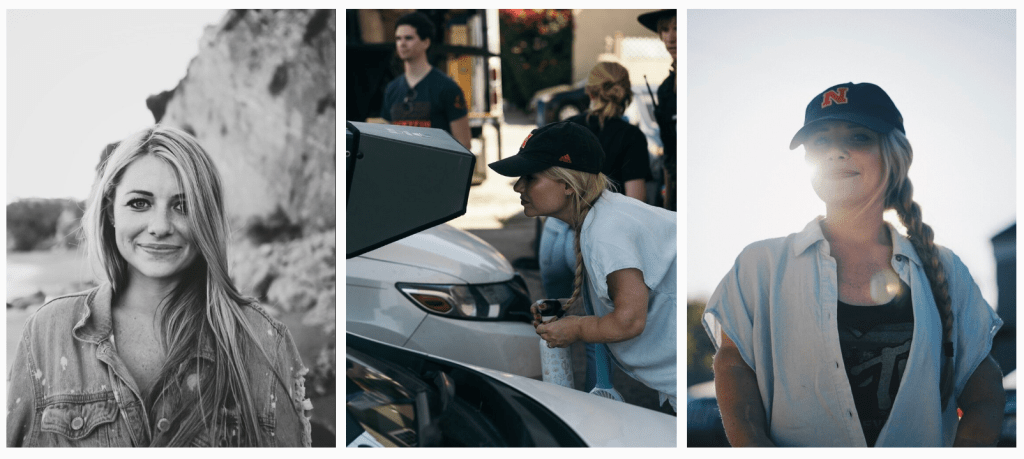
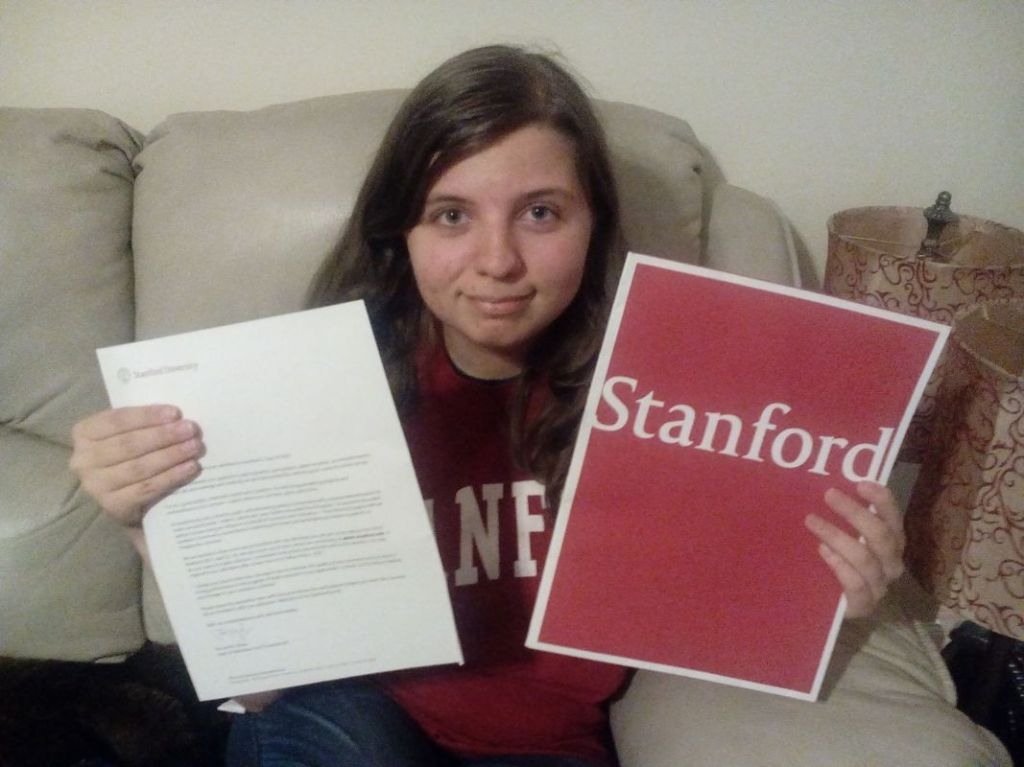

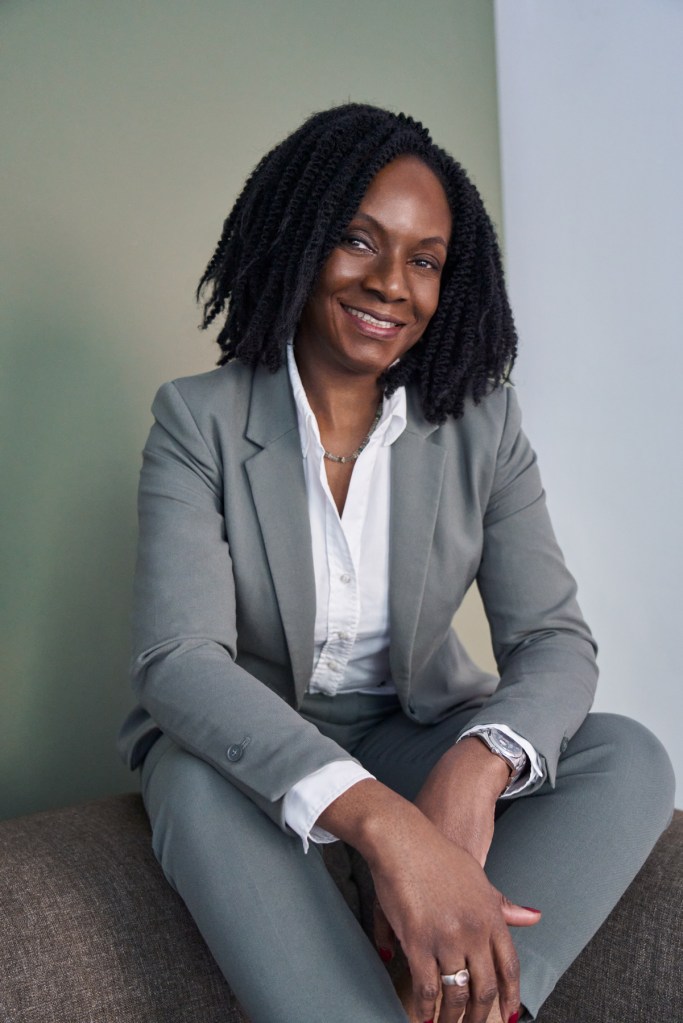
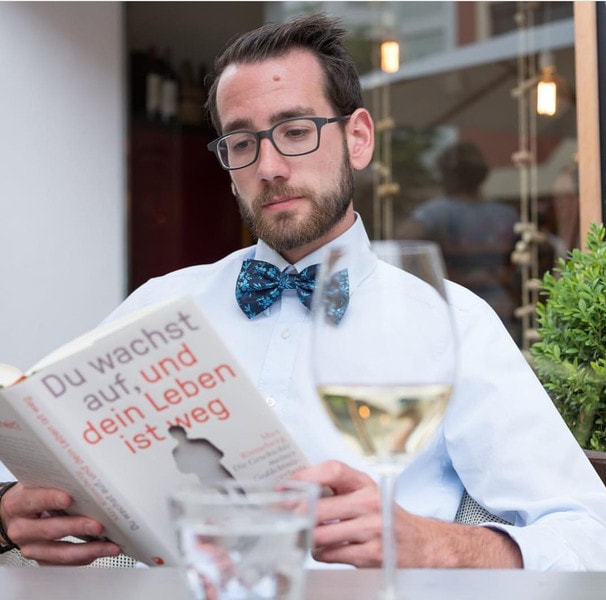

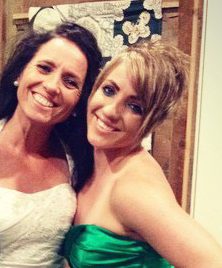

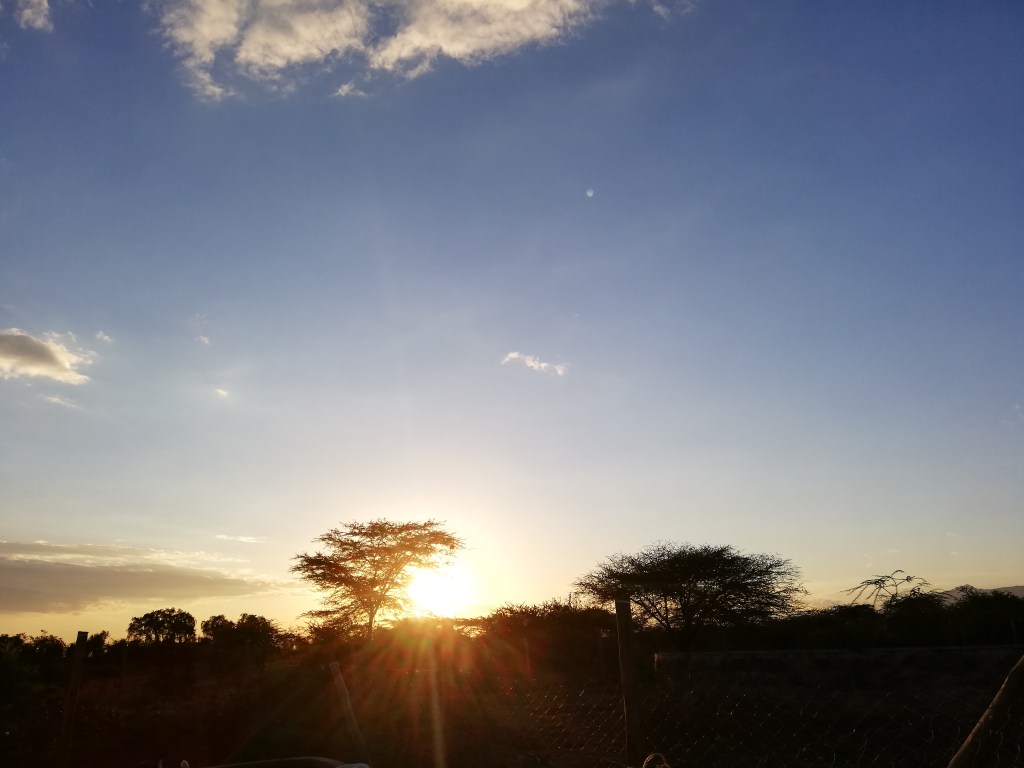

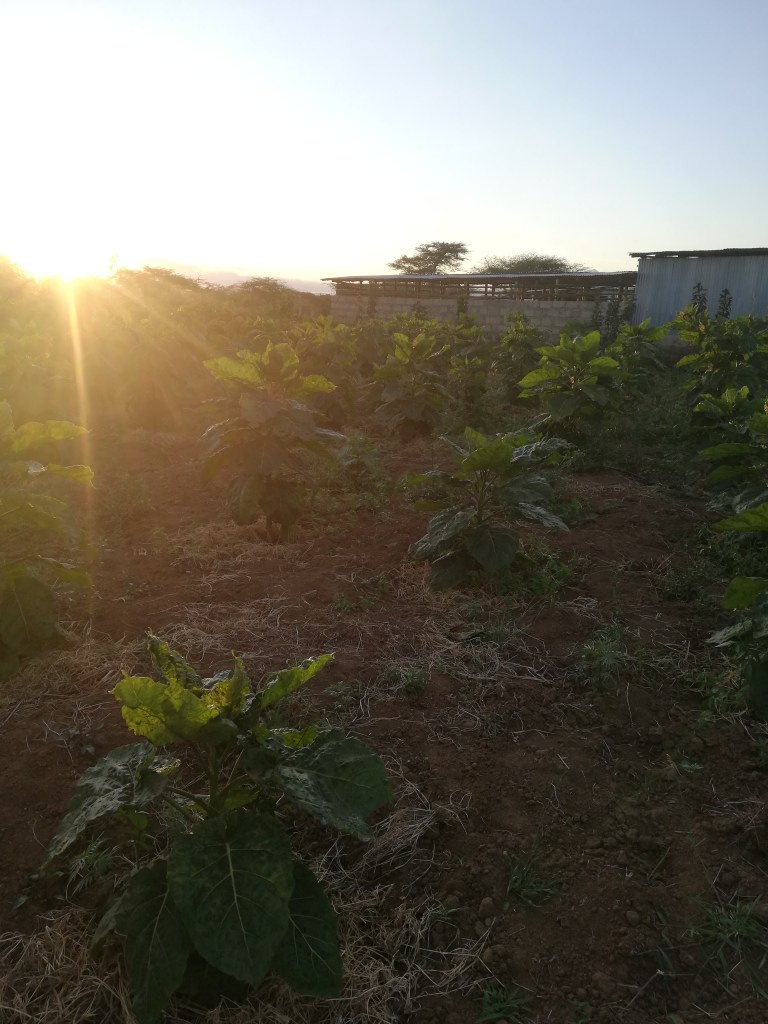


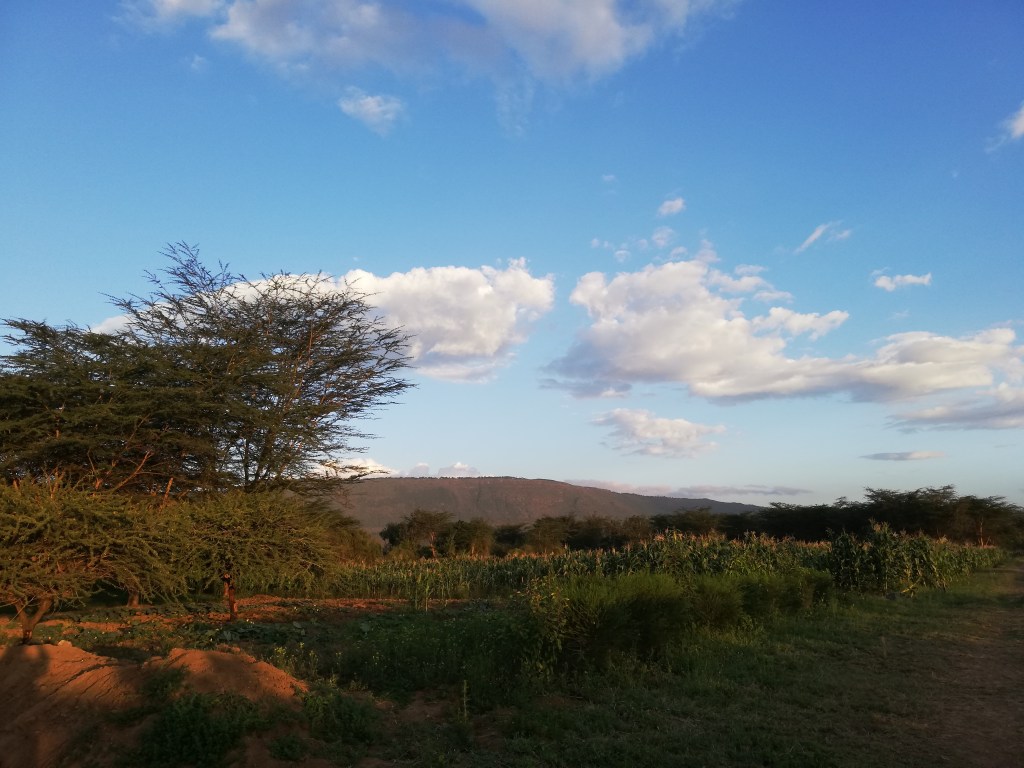
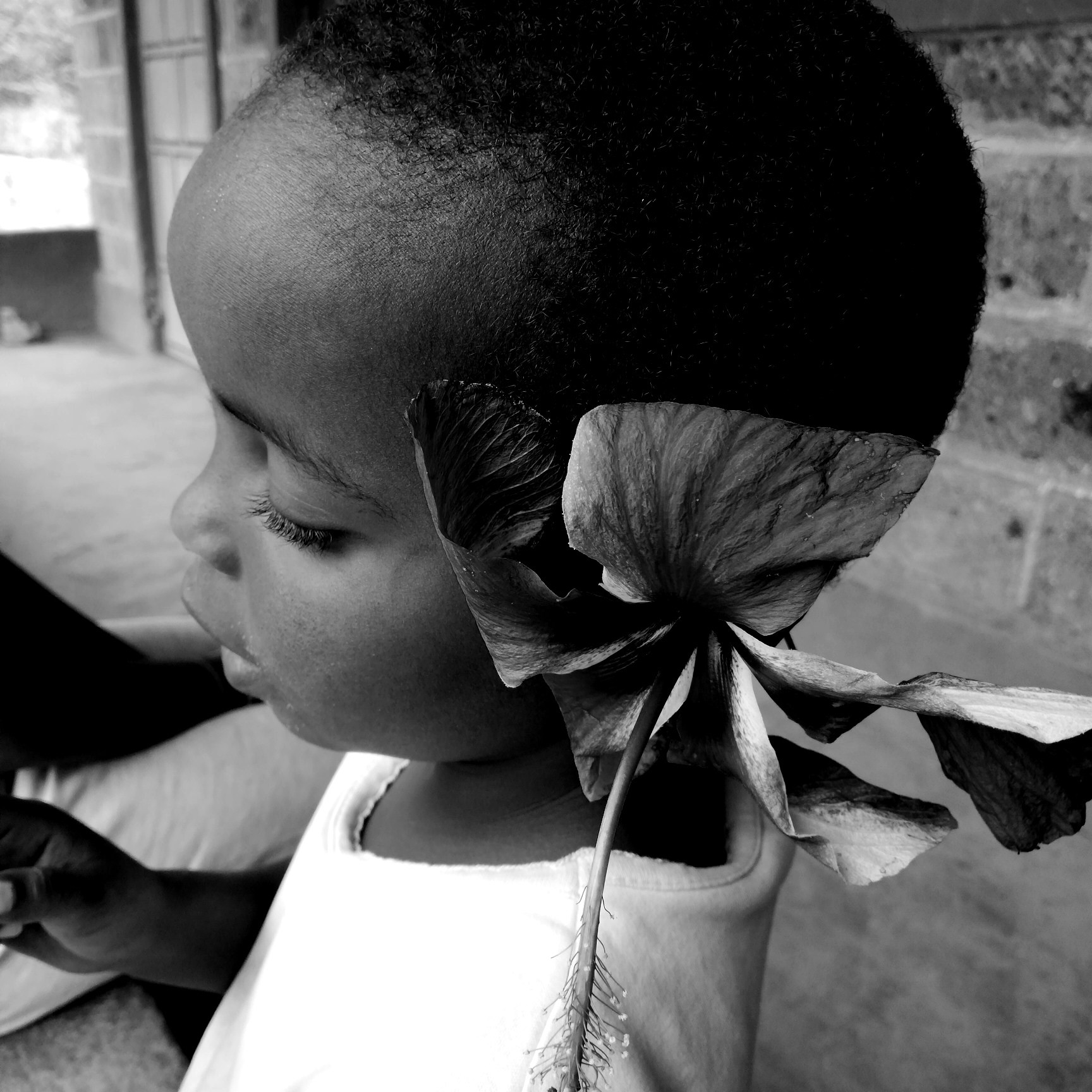
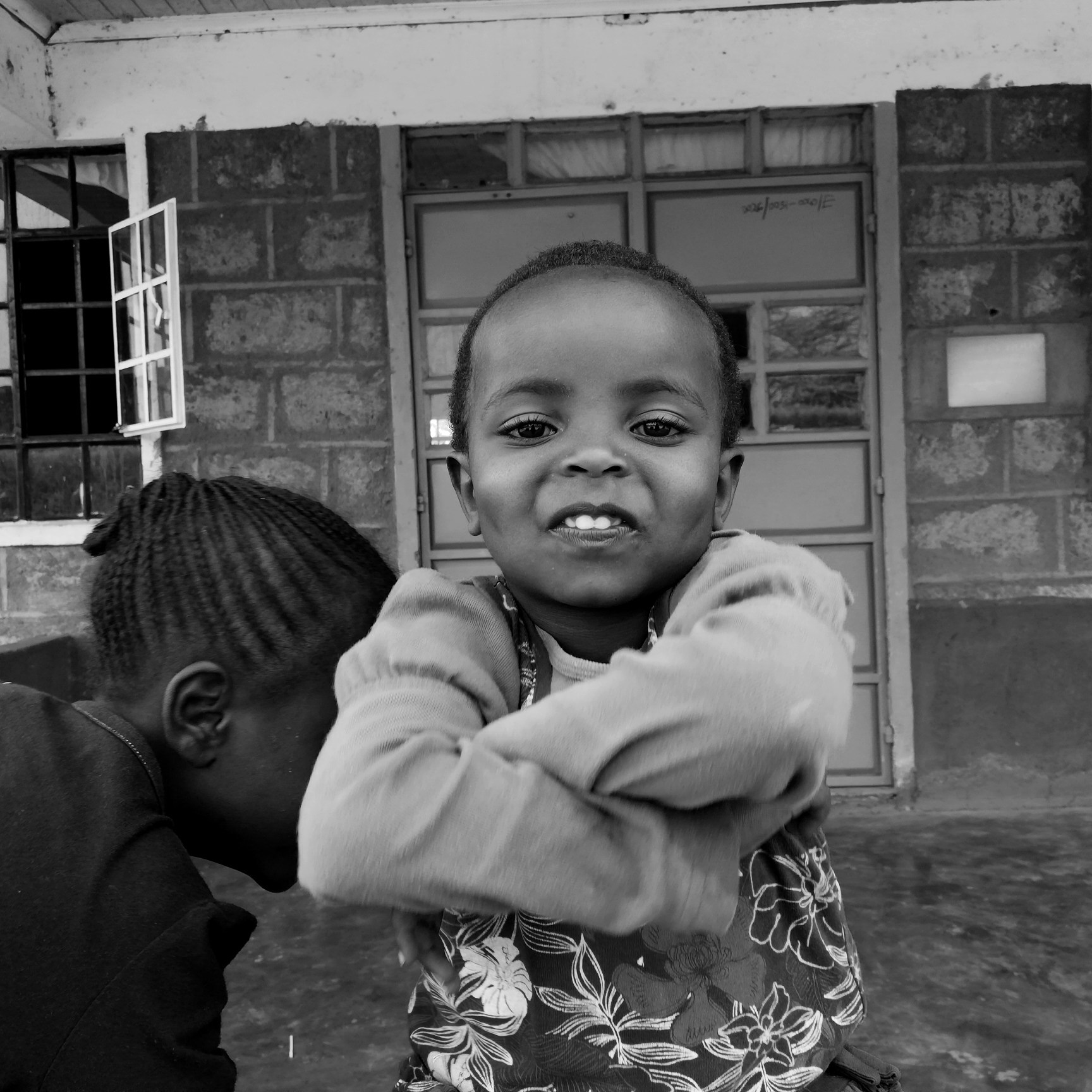
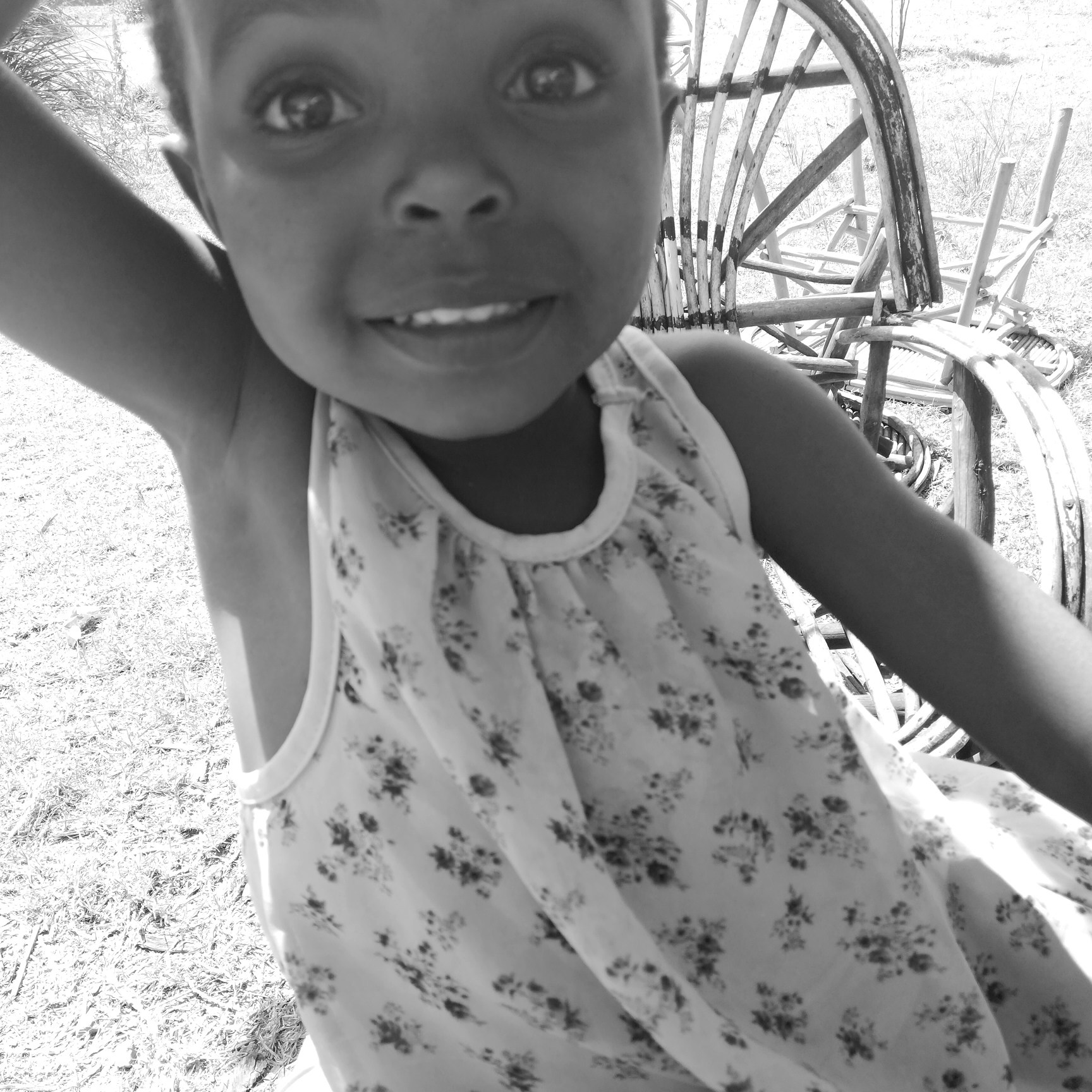

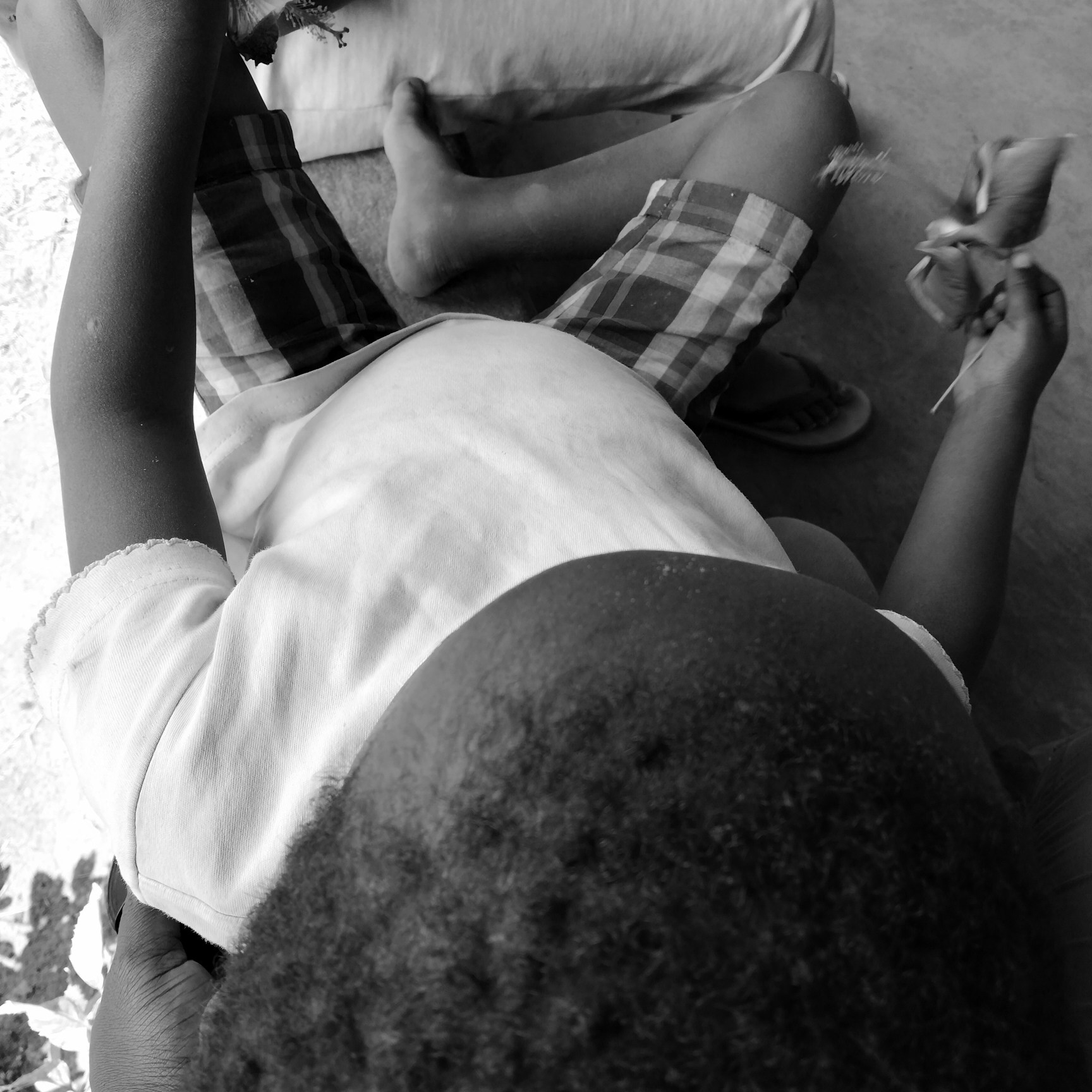
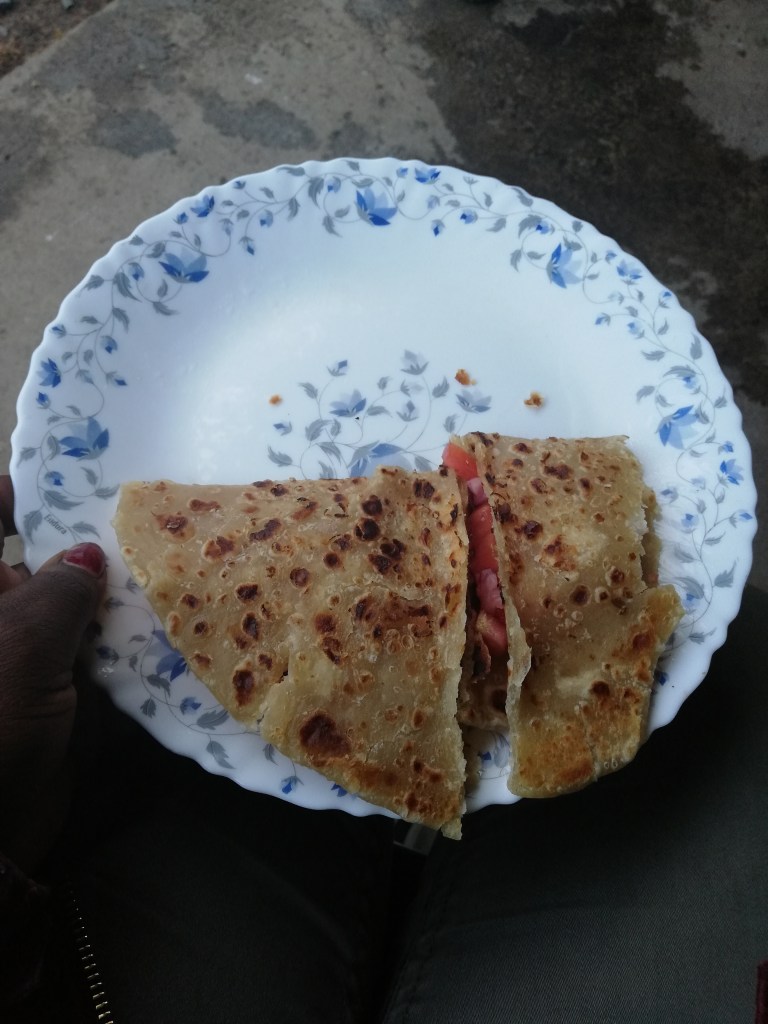



 abylovesblogging.com